
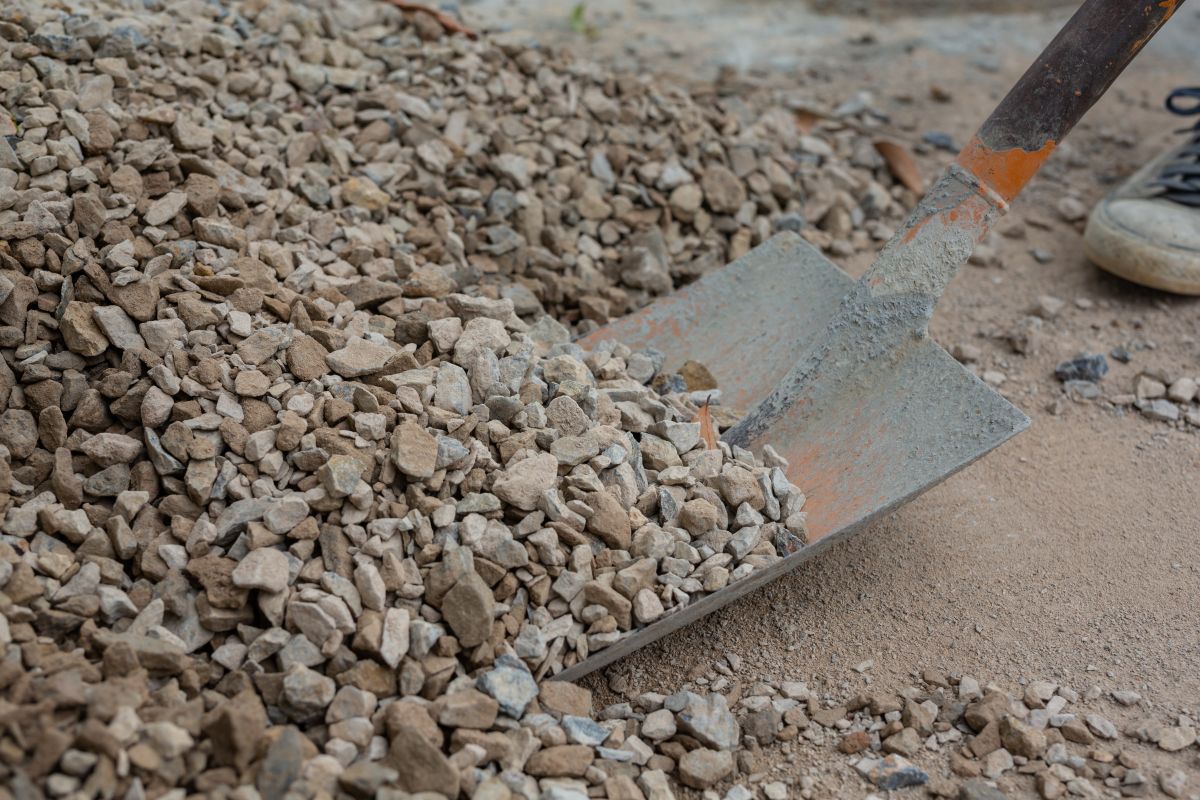
Faced with the slowdown in construction and the surge in fuel prices, the quarry and construction materials sector is seeing its production costs start to rise again, a situation which worries UNICEM.


Already faced with a marked slowdown in activity in the construction sector, quarry and materials companies must now absorb a new increase in their production costsfollowing the soaring fuel pricesfueled by geopolitical tensions in the Middle East.
In this context, UNICEM (National Union of Quarry Industries and Construction Materials) warns against the effects of this additional pressure on the economic balance of the sector and, ultimately, on the continuity of supply to construction sites.
Fuel on the rise: producers of materials under pressure
There production of aggregates, ready-mixed concrete or even ornamental rocks relies largely on machines such as industrial equipment running on diesel. In this context, the rapid rise in fuel prices immediately translates into increased operating costs for companies in the sector. “Diesel constitutes an essential energy for the operation of our quarries and our production sites. When its price increases sharply, the entire economic balance of our companies is directly affected.“, explain Alain Plantier, president of UNICEM.
Added to these additional costs is the increase in the price of fuel needed to transport materials to construction sitess, which further increases the final bill for the entire construction chain.
Growing pressure on the economic balance of the sector
This new increase comes in an already degraded context, marked by a clear slowdown in activity in the construction sector. According to UNICEM, companies are now facing a real jaws effect: a drop in volumes on one side, and a sustained increase in costs on the other.

“Our businesses are experiencing a triple impact: the decline in construction, the increase in energy costs and increased regulatory pressure. This scissor effect is permanently weakening the economic balance of many structures,” warns Alain Plantier, here in photo. © UNICEM
In an environment where margins are already constrained, these cost increases often remain difficult to pass on, particularly in public markets or contracts concluded upstream, thus accentuating financial tension within the sector.
Fuel on the rise; a major challenge for construction sites and regional planning
THE mineral materials constitute an essential base to a wide spectrum of projects:
– housing construction;
– Construction of transport infrastructure;
– Deployment of water and energy networks;
– Protection works against natural risks or operations linked to the energy transition.
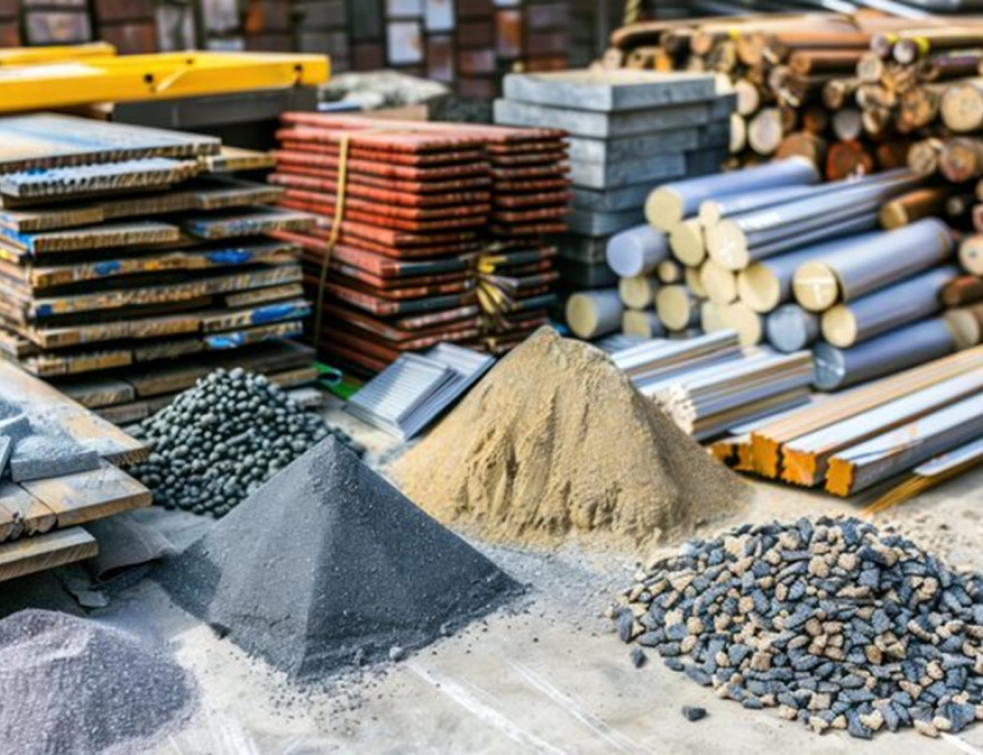
The availability of construction materials directly conditions the dynamics of territorial development. “Construction materials are essential to territorial projects. Weakening the companies that produce them amounts to weakening the entire value chain of the sector,” underlines Alain Plantier. © Freepik
In this context, UNICEM calls on public authorities to take concrete measures to better control the evolution of energy costs and limit their effects on the sector. Faced with the fuel surge, Companies plead for a return to more stable diesel price levels and compatible with their operational constraints. They also call for the establishment of effective price review mechanisms in public markets in order to integrate fluctuations in energy costs, as well as reinforced support to accelerate the sector’s energy transition.
In an environment marked by strong tensions on costs, the issue remains clear: enable these strategic industries to continue their mission of supplying construction sites under economically viable conditions.