
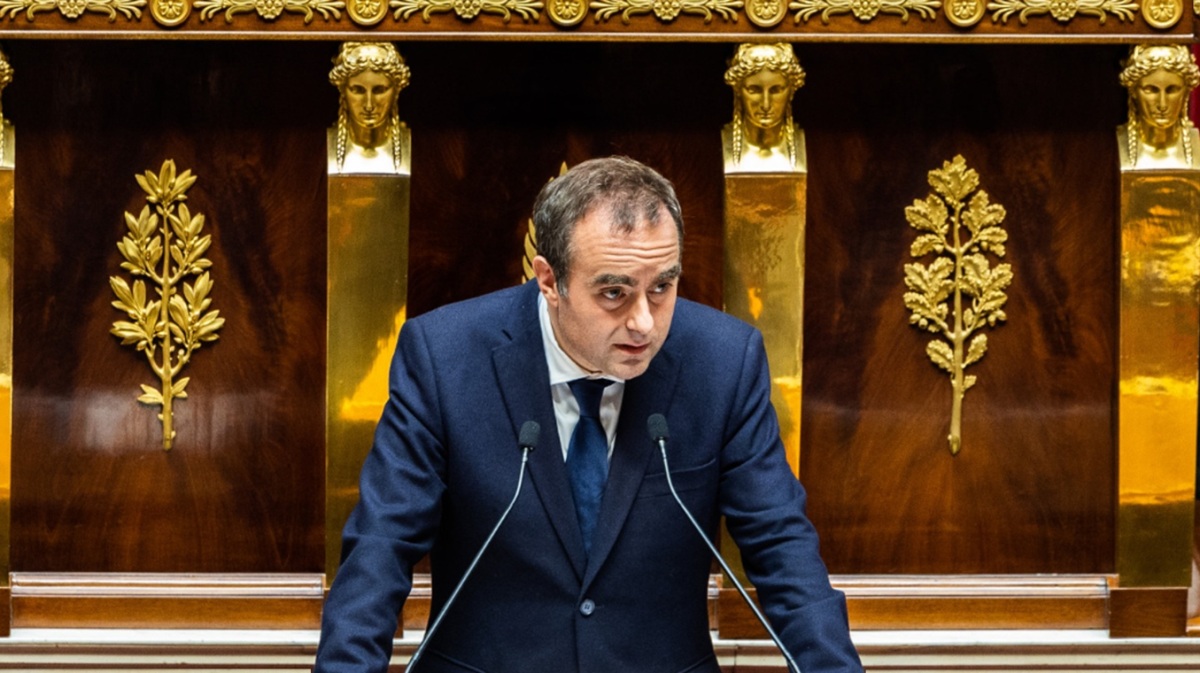
Faced with rising energy tensions, Sébastien Lecornu intends to strengthen the role of energy savings certificates to accelerate electrification and reduce dependence on imported fossil fuels.


THE Prime Minister Sébastien Lecornu confided to his Minister of Energy, Maud Bregeona two-month mission intended to strengthen the use of energy savings certificates (EEC)and this in order to promote the use of so-called carbon-free electricity And reduce dependence on imported fossil fuels.
A geopolitical context which revives the question of energy dependence
There war in the Middle Eastputting upward pressure on energy costs and disrupting supply chains, “sharply reminds us of our dependence on imported fossil fuels“, underlines the head of government in a letter addressed to his Minister of Energy, Maud Bregeon. In this context, Sébastien Lecornu believes that accelerating the electrification of uses requires incentive and support levers, at the forefront of which are the EWCs.
This financing system for renovation, energy transition and energy savings relies on contributions from energy suppliers – such as TotalEnergies, Engie, fuel sellers – on behalf of the “polluter pays” principle. But in practice, these costs are partly passed on to consumers, via pump prices or energy bills.
A tool expected to evolve to accelerate electrification
Faced with the crisis, the government intends to go “faster and further“in the orientation of the EWCsby strengthening their contribution to the electrification of uses and improving the involvement of private actors in order to better control management costs. Concretely, the system allows energy suppliers to obtain certificates in return for aid paid to households or businesses, for example to replace an oil boiler with a more efficient heat pump.
In a constrained budgetary context, the State is relying more and more on this mechanism created in 2005. A decree published at the end of 2025 also increased energy savings obligations by 27% over the next five years, raising questions about a possible impact on prices.
In his framework letter, the Prime Minister calls for:
– “maximize“the effectiveness of EWCs ;
– Discard devices deemed least relevant;
– Target more the sectors most dependent on imported hydrocarbons – such as agriculture or fishing;
– Strengthen support for the purchasing power of low-income households, the French industrial fabric and the fight against fraud.
Matignon photographic service