
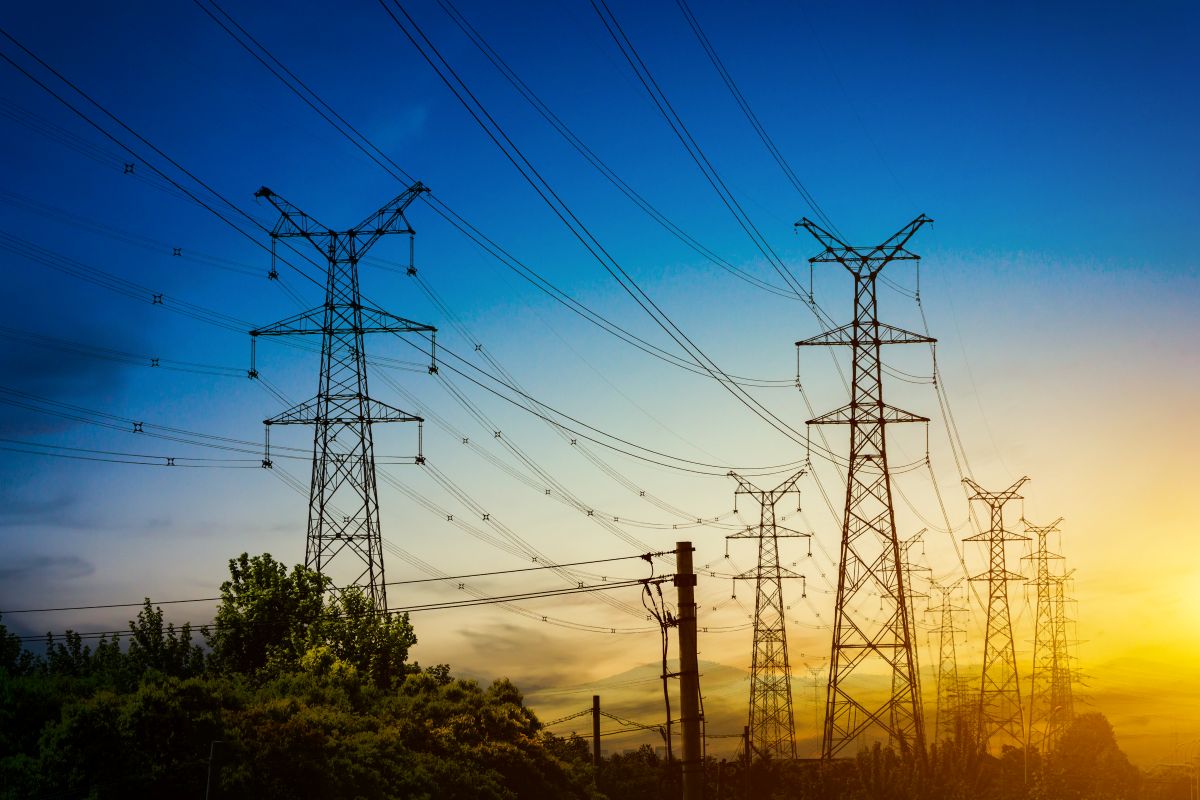
The Minister of Housing wants to encourage households to install electric heating or a heat pump by “targeting” renovation aid, as part of France’s electrification plan.

Facing theenergy emergency as with the persistent dependence on fossil fuels, the government accelerates its electrification strategy. In the viewfinder: the building sector, called upon to play a central role through a reorientation of renovation aid and a gradual transformation of heating systems.
An assumed strategy of switching to electric
The government is accelerating its energy shift
In line with the instructions from Prime Minister Sébastien Lecornuwho asked his ministers to identify priority levers in order to reduce dependence on imported hydrocarbons, the Minister of Housing Vincent Jeanbrun now intends to more clearly guide the aid for renovation towards the electrification of uses.
Objective stated: profoundly transform heating methods and, more broadly, accelerate the energy transition of the built stock. An orientation which could result in targeted bonuses for households opting for electrical solutionsparticularly in the context of renovation work.
Aid focused on electrical equipment
In detail, existing systems could be used to encourage the installation of electric radiators or, more broadly, the replacement of fossil boilers with air-water heat pumps, capable of supplying existing heating networks.
A logic already initiated with the “heating boost” bonusin place since October 2025, which aims to support households in replacing oil or gas equipment. The executive wants to go further, by strengthening incentives and making aid more conditional on technological choices aligned with electrification.
Social housing: a large-scale transformation project
Gradual exit from gas and generalization of alternatives
In the social sector, the change promises to be structural. THE government is working with landlords to replace all heating systems with carbon-free solutions : urban heat networks or electrical equipment, mainly heat pumps.
In individual social housing, the doctrine is clear: fossil boilers will no longer be replaced by equivalent equipment. Electric is becoming the norm. In the collective, a case-by-case approach is favored, with studies underway to determine which buildings can be connected to heating networks or are likely to be electrified during renovations.
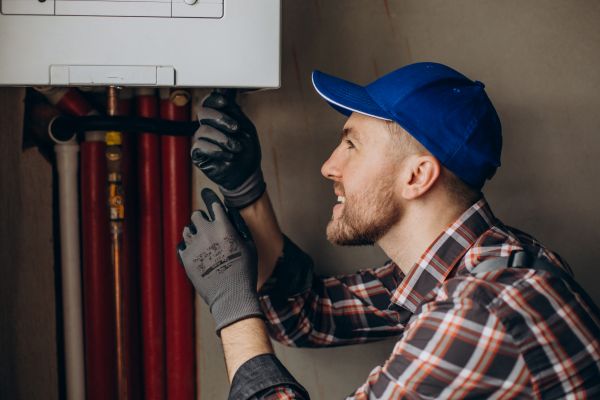
The challenge is high, while gas still equips 55% of social housing, according to Ancols, compared to less than 1% for fuel oil. The National Low Carbon Strategy also plans to replace 85,000 gas boilers per year by 2030. © Freepik
Financing still under construction
To support this effort, the executive is exploring several levers. The Minister of Action and Public Accounts David Amiel was thus tasked with studying the allocation of possible surplus tax revenue linked to the increase in fuel prices to financing of the electrification plan. Arbitrations are expected quickly. The government must present its detailed roadmap in the coming days, with the stated ambition of reduce France’s dependence on imported fossil fuels from 60% to 40% by 2030.
A systemic transformation of the economy
Beyond housing, the entire energy model is concerned. THE electrification plan aims to switch the main sectors consuming fossil fuels towards electricity :
– transport with electric vehicles;
– Building with heat pumps;
– Industry with the electrification of processes.
The Minister of the Economy Roland Lescure is responsible for planning this trajectory, with a milestone in 2030 and a target by 2035.