
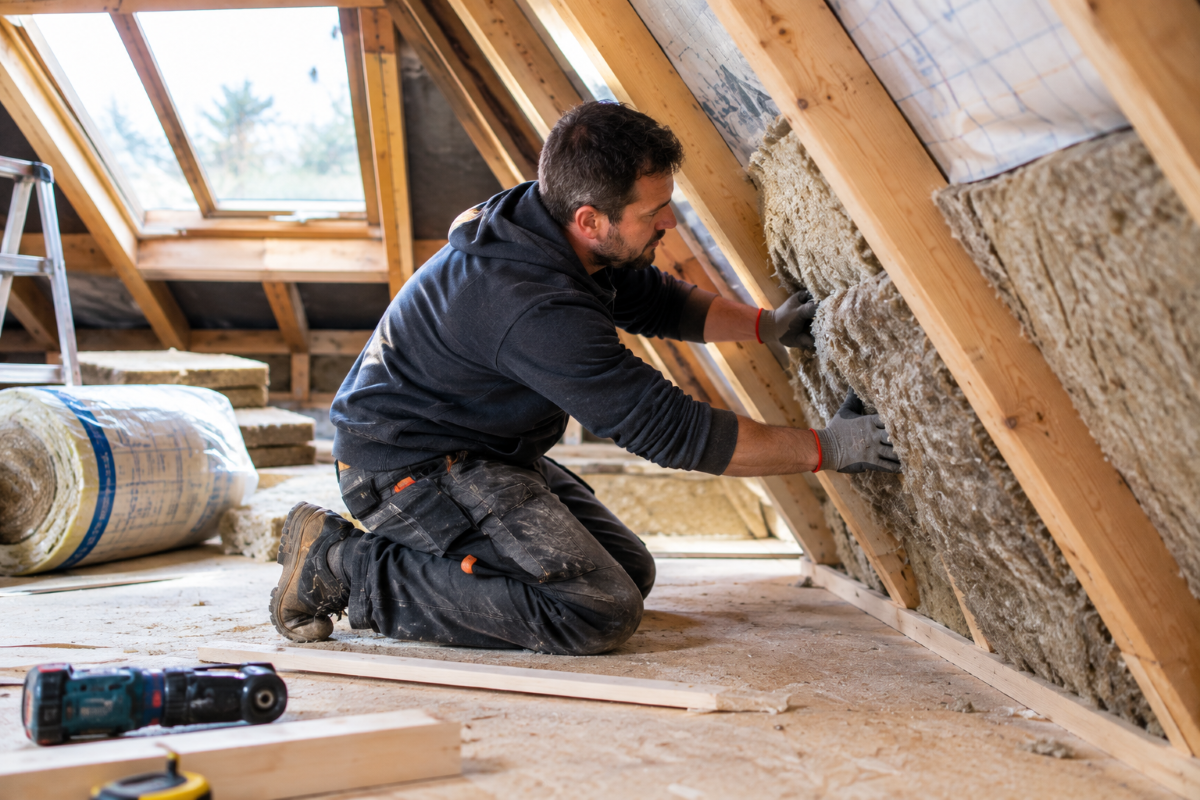
The activity of building artisans declines further in the second quarter of 2026. CAPEB warns of a 13th consecutive quarter of decline and still does not see a recovery on the horizon.

L’activity of building craftsmen continues to sink. In the second quarter of 2026, the sector recorded its 13th consecutive quarter of decline, with an overall decline of 1.5% year-on-year, according to latest figures from CAPEB. If the deterioration seems to mark time compared to the previous quarter, the confederation refuses to see this as the start of a turnaround. Between the renovation crisis, rising costs, climatic hazards and political uncertainties, the small construction companies still struggling to see the exit from the tunnel.
A “stabilization” which does not yet resemble a recovery
The decline in activity stood at 1.5% year-on-year in the second quarter, a result which reflects a form of stabilization after several particularly difficult quarters, but which remains insufficient to envisage a real recovery. “We cannot speak of improvement because we can clearly see that the decline is persistent and that we are now at 13 consecutive quarters of decline in overall activity.“, underlined CAPEB during its press conference on Wednesday September 2.
The observation is all the more bitter as the sector was still hoping for a restart in 2026. For now, this recovery remains out of reach: “our environment does not lead us to consider that we could have positive activity in 2026“, estimates the confederation.
12,000 jobs lost in small businesses
This prolonged crisis is also starting to leave its mark on employment. Over one year, around 12,000 positions have disappeared in construction companies with fewer than ten employees.
However, some positive signals are starting to appear. New construction is experiencing a slight improvement and, above all, sales of old homes increased by 5.2% over twelve months. An indicator particularly monitored by professionals, these transactions traditionally being a harbinger of future needs for maintenance and renovation work. However, these tremors remain, at this stage, insufficient to compensate for the persistent decline in activity.
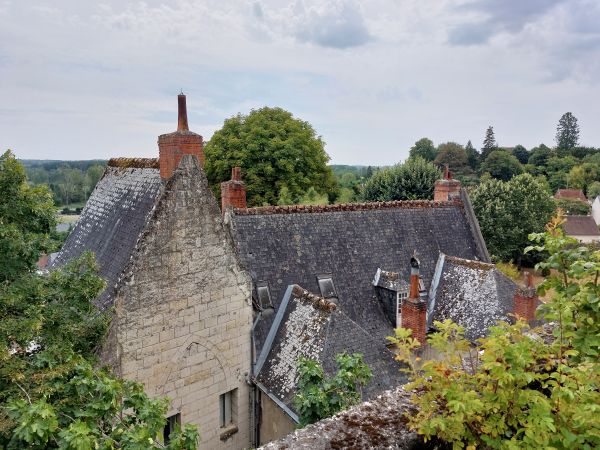
Sales of old homes increased by 5.2% over one year. © Laure Pophillat
MaPrimeRénov’, costs and climate worry craftsmen
CAPEB also points out the many uncertainties weighing on businesses. On the front line: the future of MaPrimeRénov’. The government wishes to reform the system and in particular reduce the aid granted to certain works carried out “by gesture”, while maintaining those intended for overall renovations. An orientation that does not convince Jean-Christophe Repon. The president of CAPEB advocates on the contrary for a reallocation of MaPrimeRénov’ towards more monogestures and for an energy renovation “in stages”, in particular to help households improve their comfort in the face of extreme heat.
Another area of concern: the increase in costs linked to the geopolitical context such as the conflict in the Middle East. According to CAPEB, the increase in fuel and raw material prices leads to an increase in travel costs and prices charged by suppliers, of between 10 and 25%.
Climate change now constitutes an additional factor of fragility for businesses. According to a survey conducted at the end of May among 2,200 CAPEB members, 58% of respondents said they had experienced construction delays linked to weather events.
“This tunnel of decline in activity has never been so long and, with a presidential election coming up, with no real light at the end of the tunnel to look forward to.“, alerted Jean-Christophe Repon.