
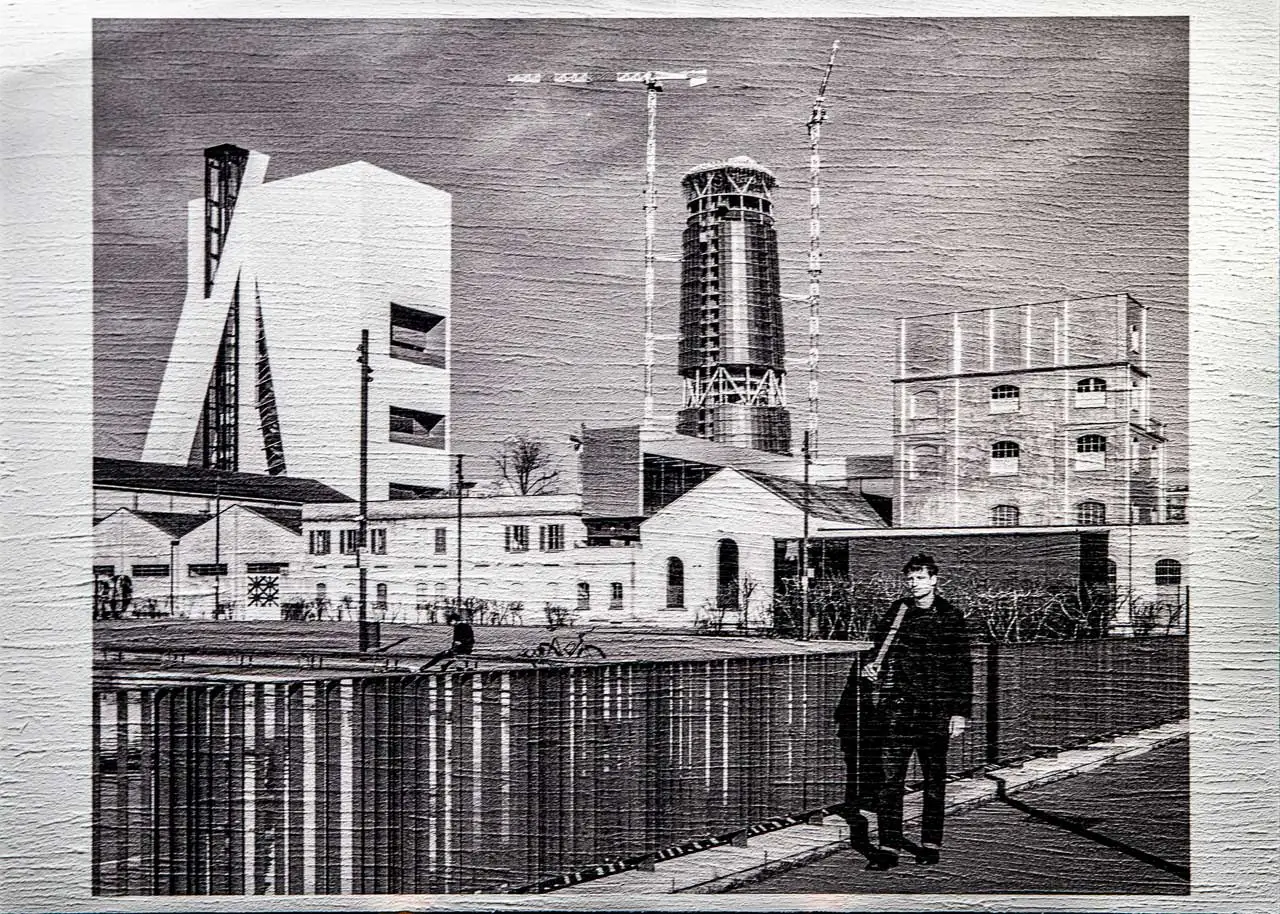
Concrete as support and content
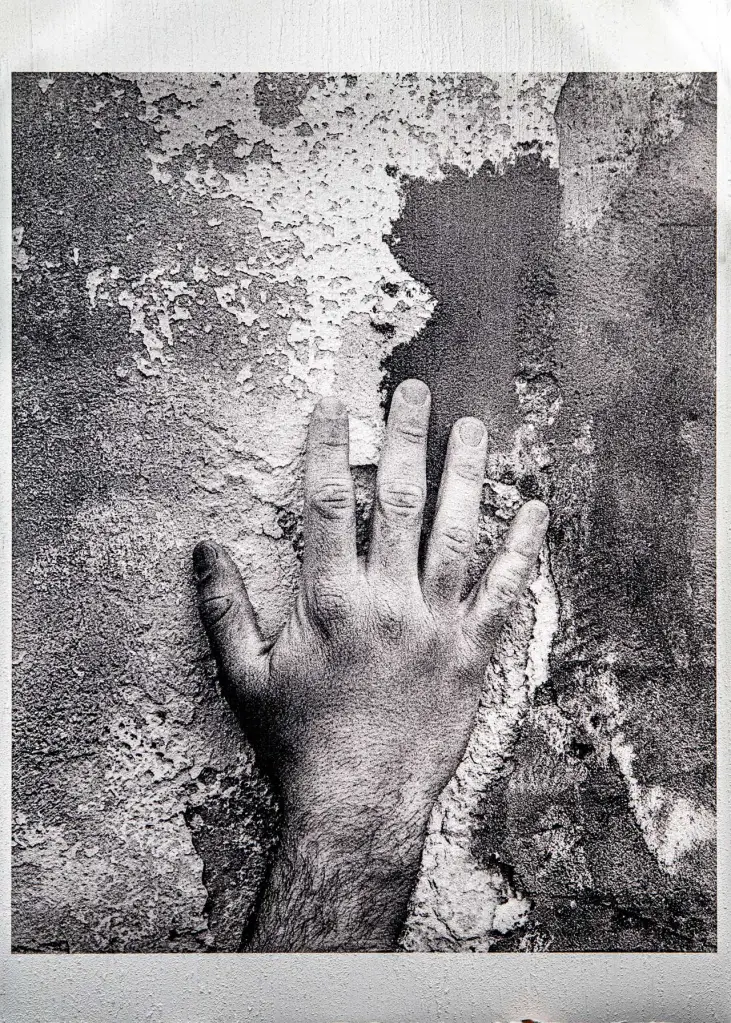
One of the most relevant aspects of the project concerns the display: the photographs, in black and white, are printed on panels covered in white microcement. The material takes on a dual function: physical support of the image and narrative element that restores texture, porosity and behavior in light.
Printing on microcement transforms photography into a technical-material object and highlights the application potential of cement even in non-structural areas, confirming its versatility and ability to integrate into contemporary languages. In this context, Heidelberg Materials contributes with skills and materials, demonstrating how industrial innovation, and in this case research on cement systems, can also find application in the cultural field, maintaining technical coherence and performance quality.
Photographic method and design approach
Canella’s work stands out for a rigorous approach, consistent with the logic of the architectural project. The images are made with a large format optical bench, using film and tripod and favoring slowness, control and precision. The shots, often taken at dawn or dusk, enhance the structural geometries, surfaces and joints, and the behavior of the material in oblique light.
Concrete is thus observed as the city’s infrastructure, an element that makes densification, development and urban complexity possible.
Milan and Bari: two urban models compared
The project, as mentioned, uses Milan and Bari as case studies. Milan represents a model of a vertical and stratified city, characterized by functional overlaps and architectural hybridizations. Bari, on the other hand, highlights an evolution more linked to the relationship between infrastructure and urban fabric, in which concrete interacts with historical materials such as tuff.
In both contexts, concrete emerges as an element of continuity, capable of adapting to different languages, eras and functions.
The shots: architecture and infrastructure as an urban story
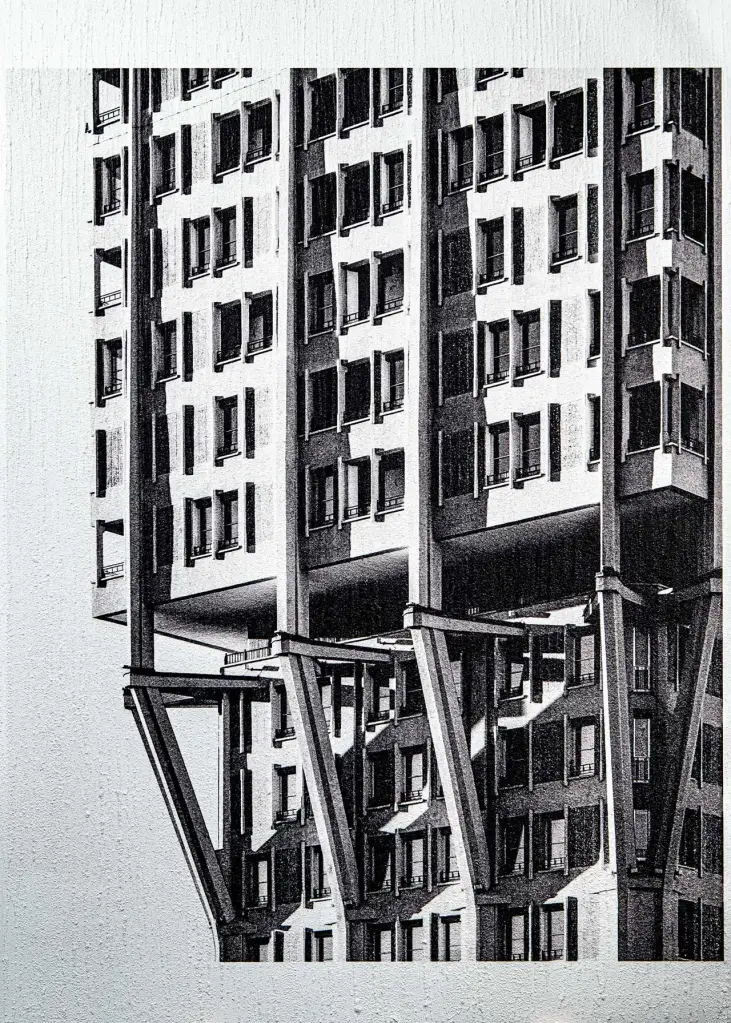
The photographs select some emblematic elements of the relationship between concrete and the city. In Milan, the project included icons such as the Velasca Tower, analyzed in structural details, the architectural system of the Prada Foundation and the urban stratifications visible from Piazza Gae Aulenti, up to the monumentality of the church of San Giovanni Bono, an example of brutalist architecture.
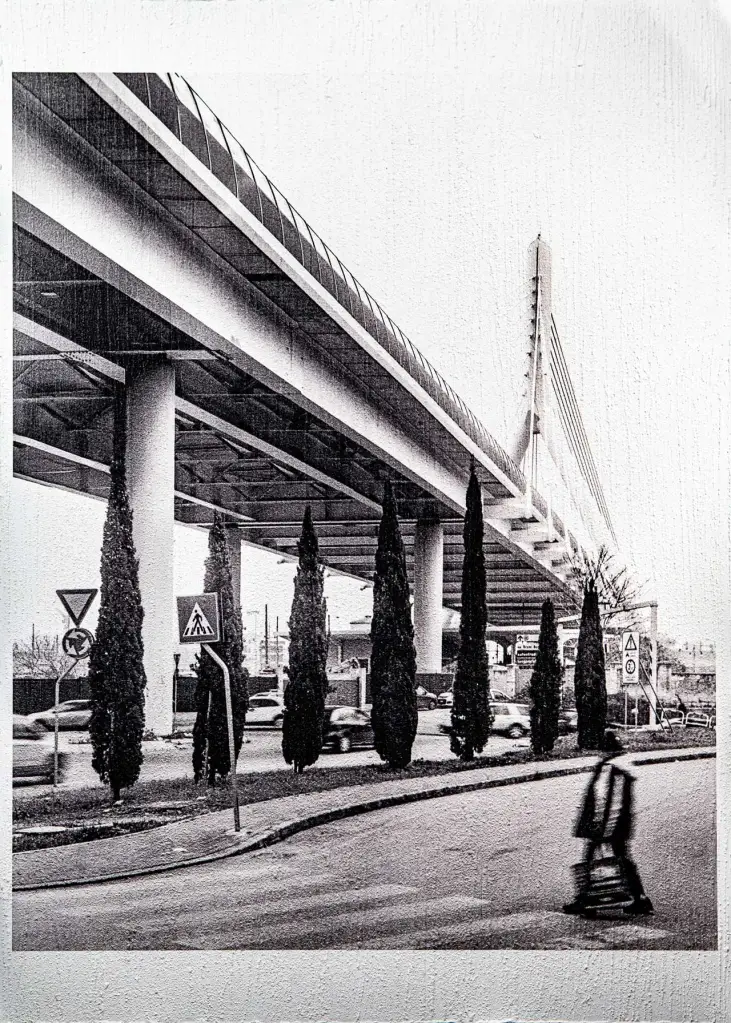
In Bari, attention is focused on infrastructure and the urban landscape, such as the Adriatic Bridge, Renzo Piano’s San Nicola stadium and the port structures, where concrete interacts with the social and productive context.
Overall, the shots provide a technical and visual interpretation of concrete as a supporting structure of urban space. Here are some:
Material, research and industrial vision
Living Cement it is part of Heidelberg Materials’ strategy aimed at developing high-performance and sustainable cement solutions. The project demonstrates how concrete can be interpreted not only as a building material, but as an element capable of connecting technique, architecture and urban landscape.
An approach that reflects an industrial vision in which innovation, quality and environmental responsibility contribute to the transformation of cities.
For further information
heidelbergmaterials.it