
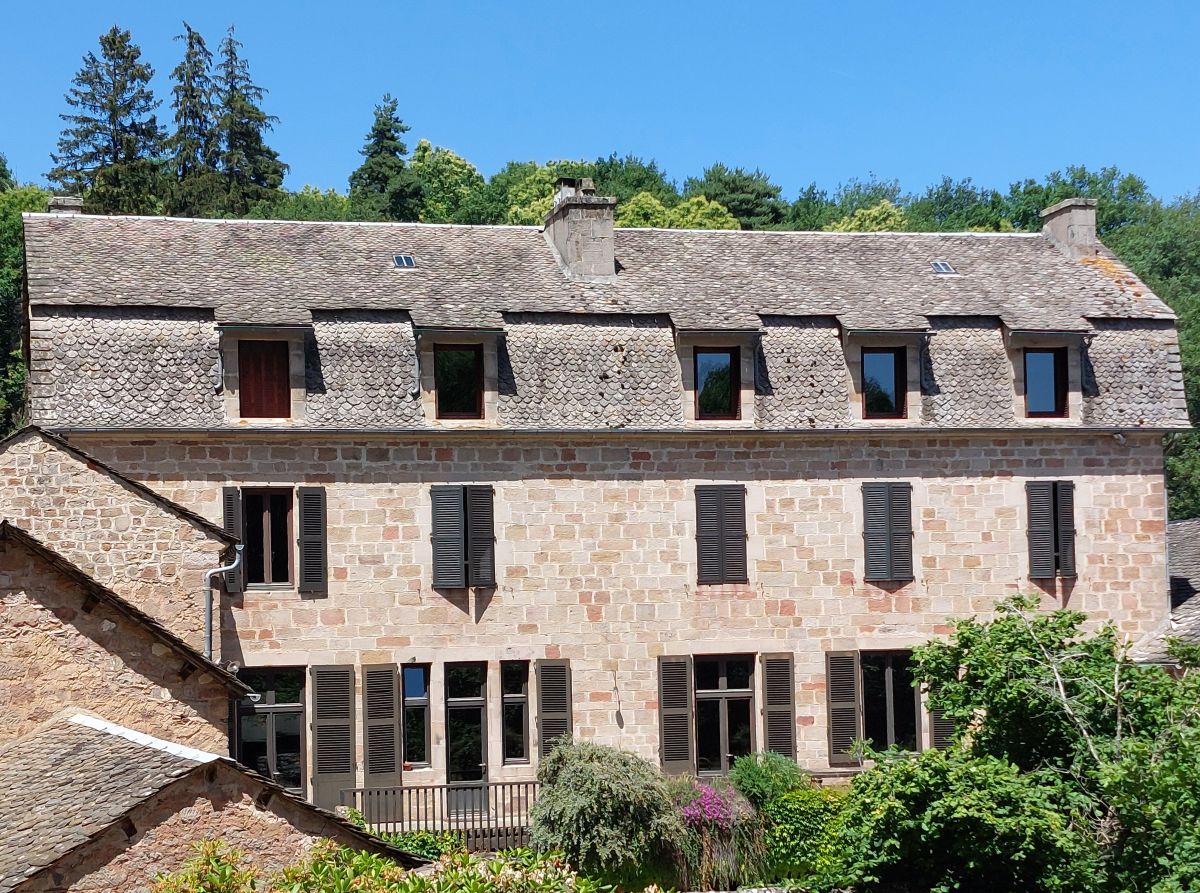
Buyer, tenant, have you discovered an error in the DPE of your home? Discover the possible recourse against the seller, the lessor or the assessor and the possible compensation.

THE DPE (Energy Performance Diagnosis) has become one of the most important documents in real estate sales and rentals. Its influence goes far beyond simple information for the buyer or tenant: it conditions the value of the property, its rental attractiveness, the predictable cost of its occupation, access to certain public aid and, for most energy-intensive housingthere possibility even to be rented.
This economic importance has mechanically led to a increase in disputes linked to inaccurate diagnosess. According to government estimates, nearly 4 million DPEs are carried out each year and around 70,000 could be fraudulent or complacent.
Since July 1, 2021, the DPE has become enforceable against the seller and the lessor. A error affecting the announced energy performance is therefore no longer just a lack of information: it can now give rise to the liability of several parties and give rise to the right to compensation. Explanations.
What is a DPE?
THE DPE is a regulatory document intended to evaluate the energy consumption of a building as well as its greenhouse gas emissions. Governed in particular by articles L. 126-26 et seq. Construction and housing codehe gives housing a dual energy and climate label ranging from A – economical – to G – thermal strainer. It also specifies work recommendations and the amount of theoretical expenses.
THE DPE is, with some exceptions, obligatory for real estate sales and rentals of housing.
It must be carried out by a certified professional, who must include in his diagnosis a registration number issued by ADEME: in fact, each time a diagnostician performs a DPEhe is required to transmit it to ADEME, a public body. ADEME then records the diagnosis in its national database and assigns it a unique identifier of 13 characters. Without this number, the DPE is not valid. The diagnostician must also have taken out professional liability insurance for this activity.
Since the reform came into force on July 1, 2021, the DPE is calculated using a unique method called “3CL” for “Calculation of Conventional Housing Consumption”. This benchmark models the energy performance of a home based on its physical characteristics according to standardized conditions of use and no longer mainly on consumption declared by occupants or bills. The main development lies in its opposability.
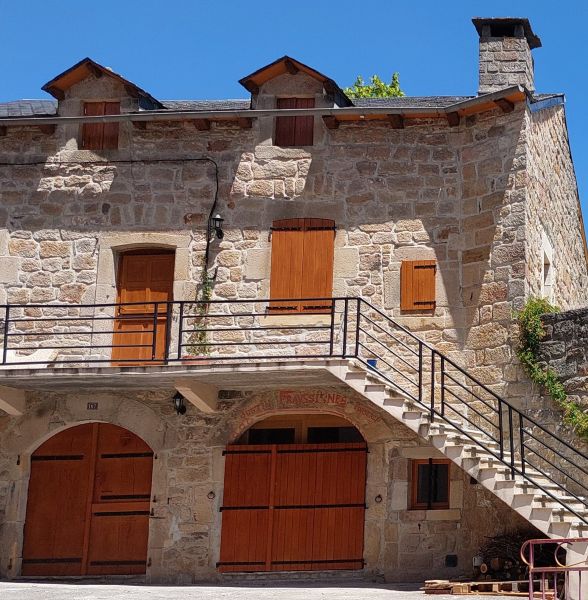
While before July 1, 2021 the DPE only had an informative value, the buyer or tenant can now rely on the information it contains against the seller or lessor. Only work recommendations retain purely informative value. © Laure Pophillat
What is an erroneous or fraudulent DPE?
A DPE is incorrect when the technical characteristics of the accommodation have been incorrectly noted, incorrectly interpreted or incorrectly informedleading to an inaccurate assessment of its energy performance. The most frequent errors concern:
– the living space;
– The existence or thickness of insulators;
– The nature of the glazing;
– Heating, ventilation or domestic hot water production systems.
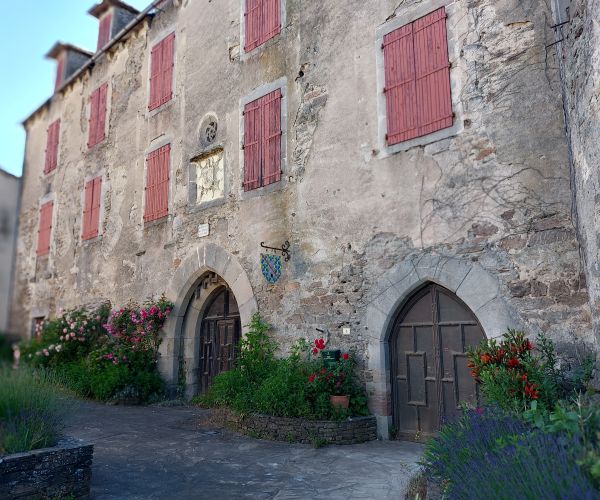
A simple error in the input data can significantly change the final rating assigned to the accommodation. © Laure Pophillat
There responsibility of the diagnostician is engagede when the diagnosis was not carried out in accordance with the applicable standards and the rules of the art. THE Fraudulent DPE constitutes a more serious situation. It presupposes willful falsification or manipulation intended to artificially improve or degrade the energy rating of the beern. It may be a diagnosis carried out without an actual visit to the accommodationof a “DPE of convenience” between diagnostician and sellerthe use of deliberately inaccurate data or even the deliberate falsification of building characteristics.
When the falsification is intentional, the facts may fall under forgery and use of forgery within the meaning of article 441-1 of the Penal Code, regardless of the civil responsibilities incurred. Thus, a diagnostician faces 3 years of imprisonment and a fine of €45,000 in the event of a forgery.
How to recognize an erroneous or fraudulent DPE?
When invoices contradict the DPE
The first clue of a Erroneous or fraudulent DPE is the existence of a significant gap between actual housing consumption and the estimates appearing in the DPE. Energy bills that are systematically higher than announced consumption may reveal a significant anomaly.
Insulation, heating, surface: points to check
The second index of a Erroneous or fraudulent DPE resides in theinconsistency between the real state of the accommodation and the characteristics mentioned in the diagnosisc. The mention of non-existent insulation, missing double glazing, a heating system different from that actually installed or even an error in living space can constitute serious indications of inaccuracy.
When the DPE does not officially exist
Finally, it is absolutely necessary to think about check the administrative regularity of the diagnosis. The ADEME number must be able to be found on the official database of the DPE-Audit Observatory. The absence of registration or the presence of divergent information constitute significant anomalies.

The most reliable method is generally to have a new DPE performed by another certified diagnostician. The counter-DPE frequently constitutes the central evidence allowing the persons concerned to be held responsible and the damage suffered to be assessed. This cost is the responsibility of the person who disputes, but it may be claimed from the initial diagnostician if the error (or fraud) is confirmed. © Magnific
What recourse?
For the sales – and rentals – concluded before July 1, 2021the DPE was not enforceable. It is therefore often considered that the damage suffered corresponds to a simple loss of opportunity to negotiate the price downward. Thus, the amount of compensation awarded by the judge does not generally cover all of the necessary work.
For sales concluded since July 1, 2021, theopposability of the DPE now allows direct action against the seller to be considered. Sellers are responsible for all damages in the event of false information on the energy consumption of the property or if the seller knew of the inaccuracy of the diagnosis and voluntarily concealed it – hidden defect). The purchaser – or tenant – can thus obtain, depending on the facts, full compensation for their damage, i.e. cost of work to improve the DPE result (insulation, etc.), reimbursement of possible excess energy consumption, expert appraisal costs and more generally any damage linked to the diagnostic error.
THE diagnostician is required to establish a reliable DPE that complies with current standards. Thus, an action can also be taken directly against him on the basis of tort liability by the purchaser or the tenant. In this case, a fault in the execution of the mission, damage and a causal link must be proven. The seller can also take contractual action against the diagnostician. In addition to civil and/or criminal sanctions, the diagnostician risks suspension or even withdrawal of his certification.
The liability of the notary or real estate agent can also be discussed when they have failed in their obligations of verification, information or advice in circumstances revealing obvious inconsistencies.
What are the deadlines for taking action?
The time limits for action vary depending on the legal basis invoked. For example, the warranty action for hidden defects must be brought against the seller within two years following the discovery of the defect. This period therefore does not necessarily run from the sale.
L’liability action against the diagnostician is subject to the limitation period of five years, which runs from the day on which the victim knows or should have known the facts allowing him to act. Given these deadlines and the need to preserve evidence, it is generally recommended not to undertake energy renovation work before having obtained a counter-DPE or, where applicable, a legal expertise.
Before any legal action, amicable steps should be taken (formal notices, conciliation, etc.). It is therefore recommended to obtain information from a specialized lawyer in order to respect the rules and procedural deadlines, to gather the evidence, etc.