
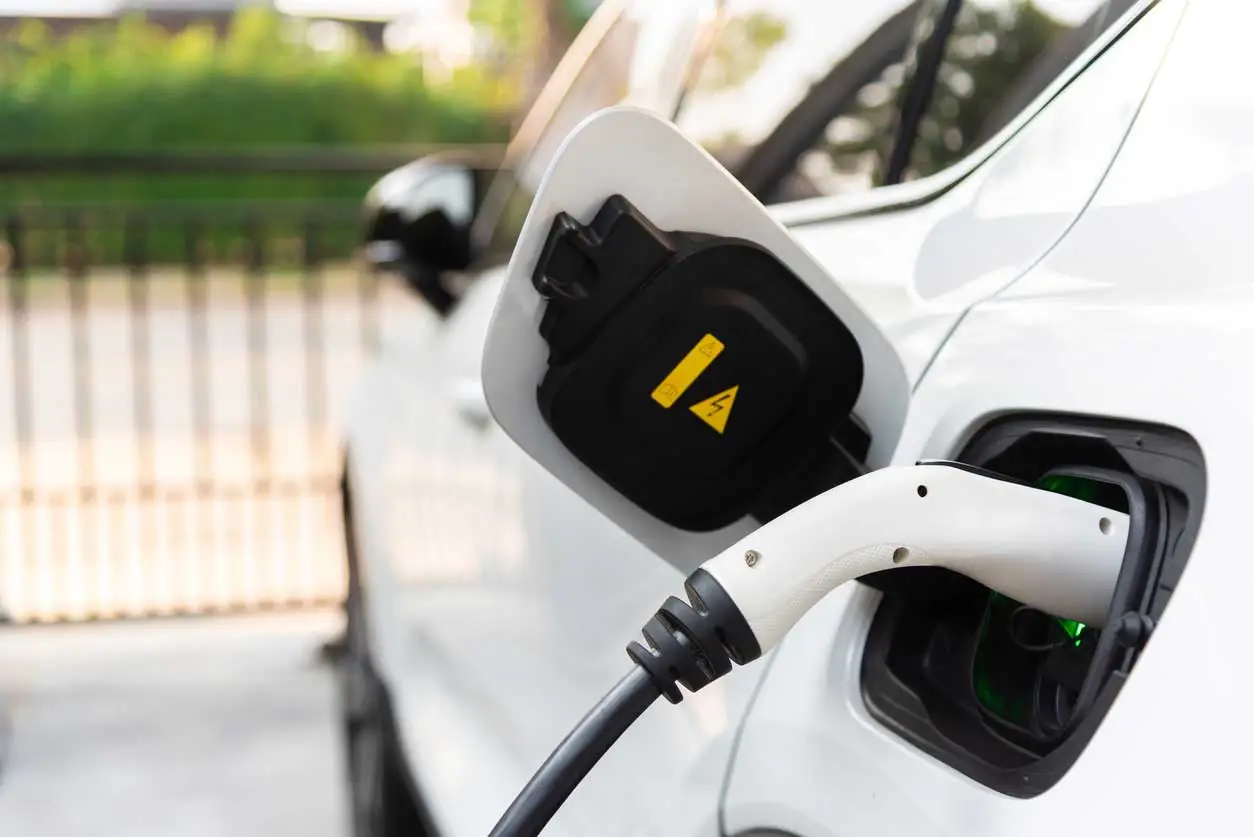
The Column Bonus is back, i.e. the reimbursement of expenses for private individuals who install charging columns for electric cars. A reimbursement of 80% of the expense is expected with a maximum payable limit of 1,500 euros for private individuals and 8,000 euros for condominiums. The news is that the bonus will be in force for four years, i.e. until 2030.
In the Automotive Prime Ministerial Decree, published on the MIMIT website, a new financial allocation has been envisaged which will serve to ensure these contributions until 31 March 2030. The bonus cannot be combined with any tax deductions. The Ministry’s implementing decree is awaited for the opening of the counter. The entire procedure will be managed by INVITALIA, directly online on the site via a dedicated desk.
>> Are you interested in articles like this? Receive them directly
Beneficiaries and eligible expenses
For the domestic charging station bonus, the contribution map provides a differentiation based on the type of installation:
- Natural persons: the maximum is set at 1,500 euros per single applicant, to cover interventions on garages, garages or exclusively owned parking spaces.
- Condominiums: the ceiling rises to 8,000 euros where the charging infrastructure is positioned in the common areas of the buildings (pursuant to articles 1117 and 1117-bis of the Civil Code).
For condominiums, the contribution is permitted provided that the charging infrastructure is not accessible to outsiders, i.e. it must be available only to condominiums.
The bonus is not limited to co-financing the purchase of the device (column or wallbox), but covers the entire value chain of implementation. Eligible expenses include:
- the purchase of charging infrastructure;
- construction works strictly connected to the installation;
- interventions to adapt the domestic electrical system;
- design costs and safety expenses;
- other expenses directly related to the intervention;
- the technical costs of certification of compliance.
The column must necessarily be new from the factory, and the technical requirements require that the installation be carried out in a workmanlike manner, proven by the Declaration of Conformity (DiCo) issued by the authorized installer.
You can only apply for the bonus after the column has been installed, not for the simple purchase.
Electronic invoices and payment methods
Access to the platform is possible, as usual, through one of the following systems:
- SPID: Public Digital Identity System;
- CIE: Electronic Identity Card;
- CNS: National Services Charter.
To document the expense it is necessary to attach the invoice and a copy of the means of payment. The invoice must be in electronic format.
As regards the payment methods, in line with the anti-money laundering and anti-evasion provisions on building bonuses, payments must be made through traceable systems (dedicated bank transfers, credit or debit cards) made out to the person requesting the contribution. Furthermore, it is mandatory to attach the bank statement showing the actual charge, or the credit card statement.
Condominium systems even if privately owned
The Private Columns Bonus is intended not only for those who live in a villa but also for those who live in a condominium regardless of whether or not they own a garage. Even those who only have one parking space or the possibility of using the internal parking have the right to proceed with this installation in accordance with the provisions of the art. 1122-bis of the Civil Code.
Paragraph 2 of the article expressly provides as follows: “The installation of systems for the production of energy from renewable sources intended for the service of individual units of the condominium on the flat roof, on any other suitable common surface and on the parts individually owned by the interested party is permitted”. Even in the case of columns for private use, therefore, the assembly cannot object, provided that the possibilities for other condominiums to install wallboxes themselves are not limited. In practice, only if it involves using common spaces is it mandatory to communicate to the administrator who will have to inform the assembly. The assembly for its part cannot impose prohibitions or limitations on the intervention, but at most request a possible guarantee for any damage to the common parts.
However, as regards condominium systems for these installations, since these are systems whose purpose is energy saving, a majority reduced by one third in the second call is sufficient to approve the installation.
The dates of the announcement
To be able to submit applications on the platform managed by Invitalia, we await the publication of the MIMIT implementing decree, which will have to establish the time windows for sending applications. It remains to be seen whether between now and the end of the year it will be possible to insert applications for the infrastructures installed in 2025.
The experience of recent years suggests that expenses incurred during 2026 will almost certainly be reported and reimbursed through a dedicated window that will open in the first months of 2027. Applications will be examined in the chronological order of presentation, until the allocated resources are exhausted.
>> If you want to receive news like this directly on your smartphone, subscribe to our new Telegram channel!
Thank you for subscribing to the newsletter.