
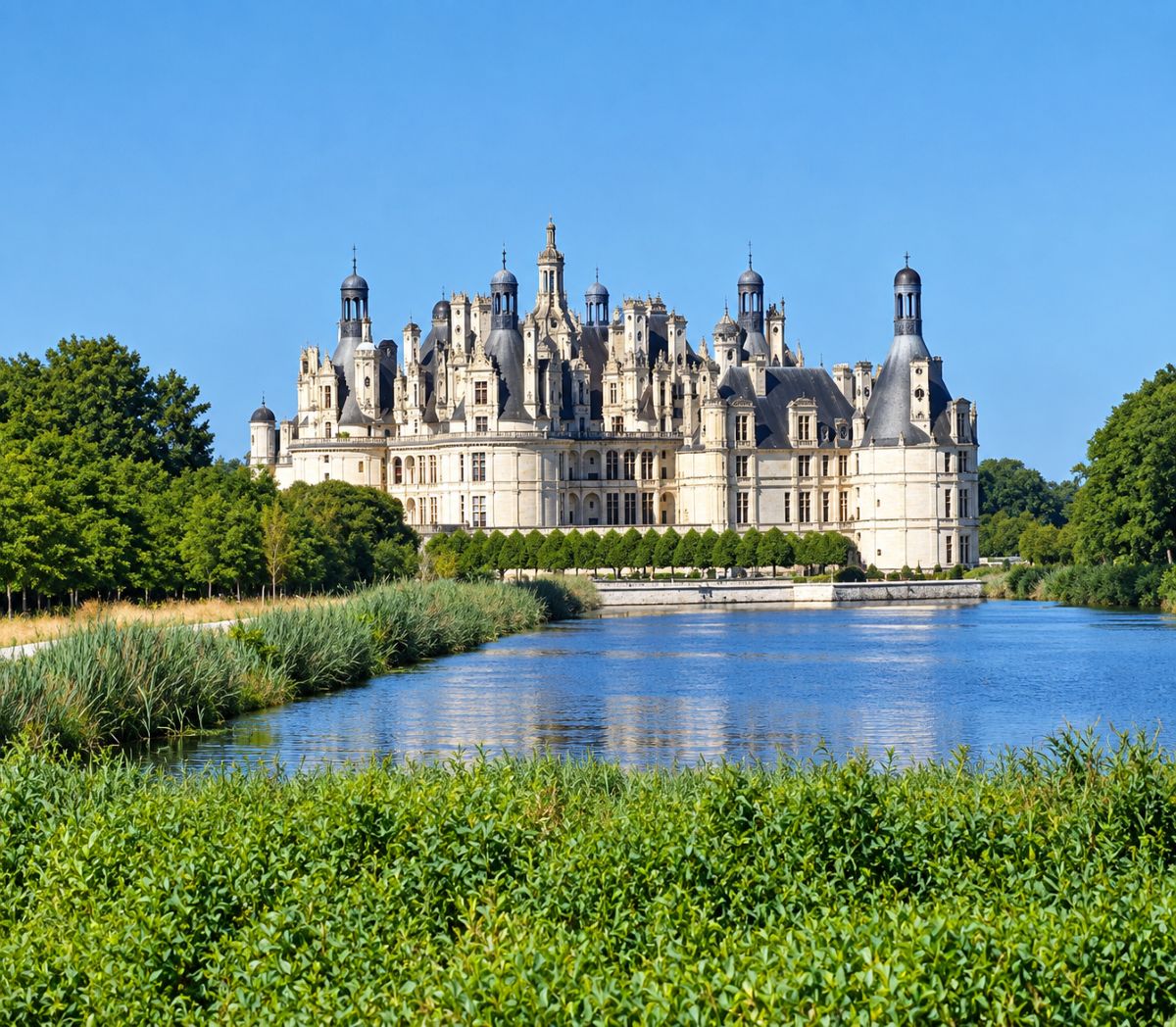
The donation campaign launched by the Domaine national de Chambord has just crossed the million euro mark. But the bulk of the work remains to be financed: 25 million euros are still necessary.

A million euros in less than a year. This is the amount reached by the crowdfunding campaign launched by the Domaine national de Chambord in order to contribute to the restoration of the Francis I wing.
When the operation was launched in September 2025, the objective was much more modest: to raise 100,000 euros in one year. Less than twelve months later, the amount collected is ten times greater than this initial ambition. “When this campaign was launched, we planned to collect 100,000 euros in one year. Less than a year later, the collection reached one million euros“, rejoiced to AFP Pierre Dubreuil, director of the Domaine national de Chambord.
However, most of the work remains to be financed: 25 million euros are still necessary.
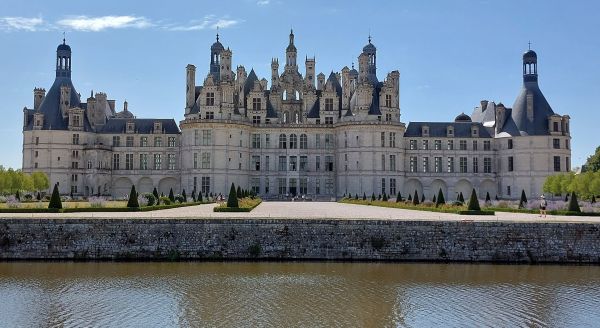
Chambord Castle was built from 1519 on the initiative of François I, who made it a symbol of the French Renaissance and a completely disproportionate project: with its 440 rooms, its 365 fireplaces and its famous double revolution staircase, Chambord impresses with its dimensions as much as its architecture. Completed during the reign of Louis XIV, over the centuries it became one of the most emblematic monuments in France. Listed as a UNESCO World Heritage Site since 1981, it now attracts hundreds of thousands of visitors each year. © Laure Pophillat
5,500 donors mobilized
Called “Chambord needs you”, the campaign was deployed to visitors to the castle, particularly at the entrances to the estate. Its visual, particularly striking, takes up a portrait of Francis I to which a tear of blood was added. More than 5,500 people took part in the collection: we “we felt that this campaign touched the hearts of the French and even beyond“, specified Pierre Dubreuil.
The campaign also benefited from a tax system provided for by the finance law for 2026. Like the mechanism put in place to support the restoration of Notre-Dame de Paris, donations intended for the construction site can benefit from a tax reduction increased to 75%.
A wing closed to the public since 2019
Behind the call for donations lies above all a heritage and technical emergency. L’Francis I wing was developed from 1539 to accommodate the king’s private apartments as well as the council room; however, it has been inaccessible to the public since 2019 due to structural problems.
During a report carried out by AFP last March, the educational spaces installed on the first floor were still present, but the significant cracks visible on the walls and the presence of rubble on the ground testified to the worrying state of the building. Access to these spaces was prohibited due to the risk linked to the deterioration of the structures.
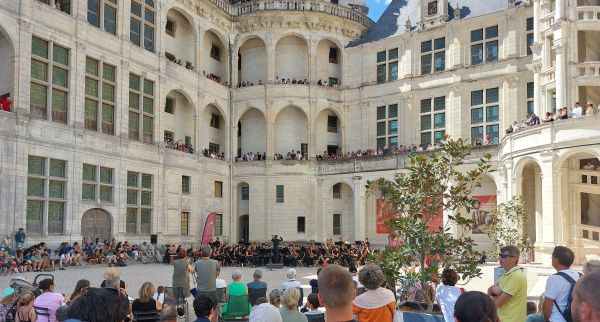
The collection of one million euros represents only part of the financing necessary for the project. © Laure Pophillat
In total, 12 million euros have already been raised to enable the first operations essential to safeguarding the wing. This envelope includes in particular an allocation from the Ministry of Culture and makes it possible to finance:
– security work;
– Diagnostics;
– And the first structural consolidations.
These interventions constitute an essential first step to preserve the integrity of the monumentbut they will not be enough to reopen the wing to the public.
Another 25 million euros to reopen the wing
THE Chambord national domain must now finance the second phase of the project. Its amount is estimated at 25 million euros. This new step should make it possible to continue the restoration and make the spaces of the François I wing accessible to visitors again. The financial challenge therefore remains considerable because after having exceeded an initial objective of 100,000 euros in a few months, Chambord must now continue the mobilization in order to raise several tens of millions of euros.
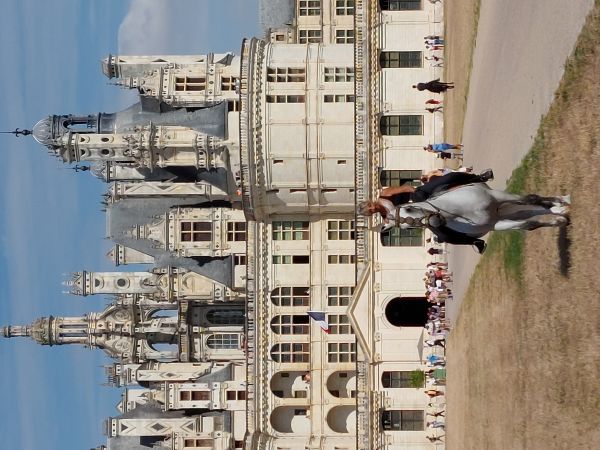
The Chambord site reminds us that behind the most emblematic monuments of French heritage there are also major conservation, consolidation and restoration operations, with costs commensurate with their history. © Laure Pophillat