
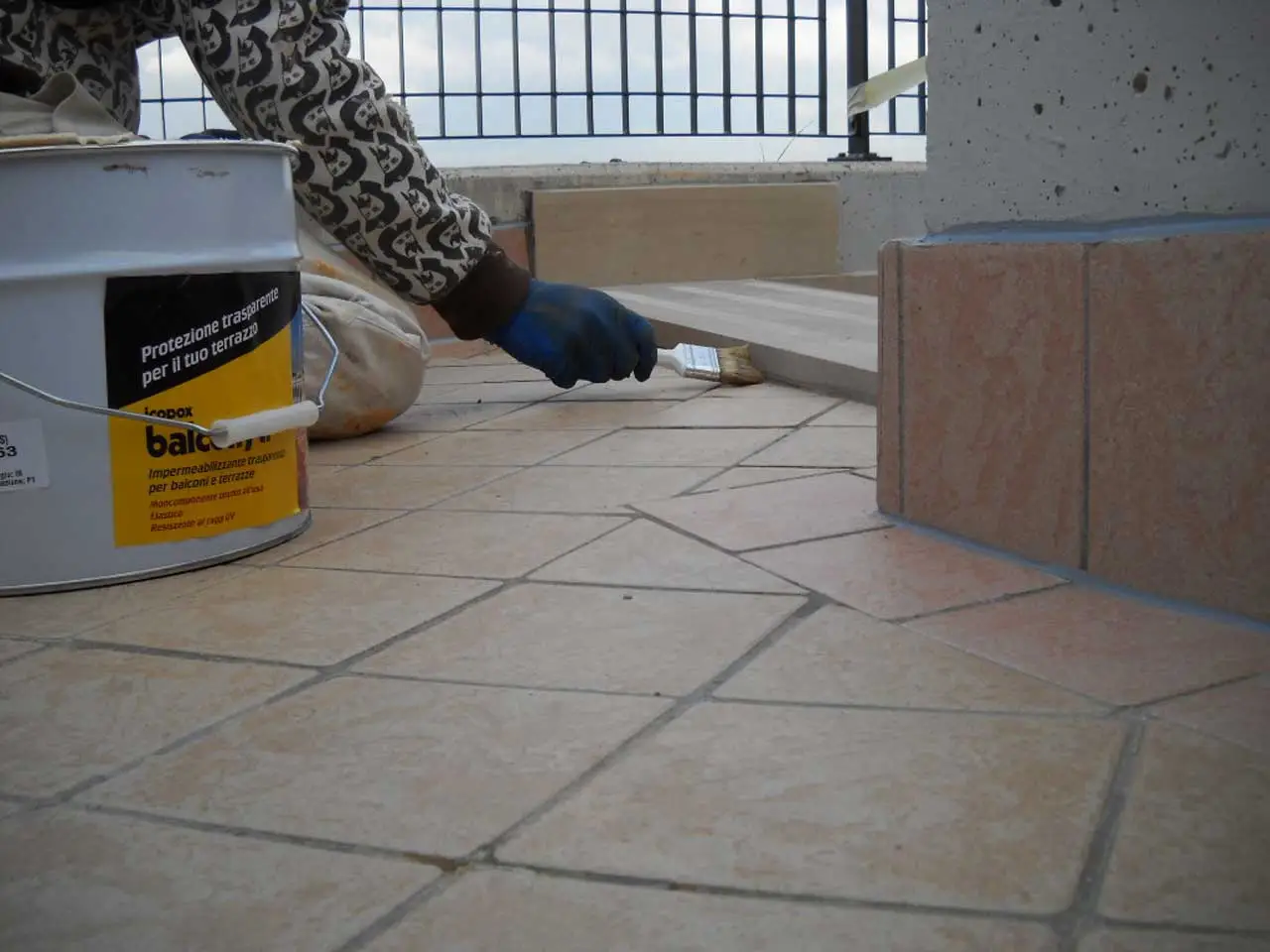
Why water infiltrations form in terraces
The terrace is one of the surfaces most exposed to atmospheric stress. The alternation of thermal cycles, the hydrostatic pressure of rainwater and the differential expansion between the layers of the construction package generate, over time, micro-cracks and discontinuities in the joints which compromise the integrity of the waterproofing barrier. The phenomenon is particularly accentuated in cases of:
- deterioration of the screed or ceramic covering, or detachment of the joints;
- absence or inadequacy of the original waterproofing layer;
- approximate management of slopes towards drains;
- poor management of critical points (connections, outlets, parapets).
In the presence of these conditions, the water penetrates through the paths of least resistance, reaches the underlying load-bearing structures and can cause damage to the flooring, even penetrating into the internal environments. Timely intervention with a transparent liquid waterproofing system allows you to restore the waterproofness and therefore the continuity of the protective covering without the need to demolish the existing covering.
Transparent waterproofing: technical characteristics and application advantages
A transparent waterproofing is a product formulated to create a continuous and elastic membrane applicable on existing floors such as ceramic, clinker, natural stone, and exposed concrete, without compromising the aesthetic appearance of the surface. Unlike colored products, the transparent version also allows the architectural coherence of the surface to be maintained.
From a performance point of view, these products must guarantee:
- high resistance to water permeability;
- good ability to fill microcracks present in the support;
- sufficient flexibility to absorb thermal expansion without cracking;
- resistance to UV rays and atmospheric degradation.
Single-component or acrylic formulations in water dispersion are the most functional in the professional sector, as they combine ease of application, low content of volatile organic compounds (VOC) and high mechanical performance.
Icobit liquid technology for exposed surfaces
Icobit has developed a range of liquid systems specifically aimed at waterproofing surfaces exposed to atmospheric agents, with particular attention to accessible terraces and balconies and facades. These are products capable of adhering directly to the existing support, eliminating the need for demolition operations and significantly reducing construction time.
Icobit transparent waterproofing systems are characterized by the formation of a continuous and seamless protective film, suitable both for new waterproofing interventions and for renovations on existing surfaces. Among the distinctive features of Icobit systems we find:
- the possibility of application by brush, roller or airless on different types of surfaces;
- water-based formulation, with low environmental impact;
- high residual elasticity even at low temperatures;
- compatibility with subsequent protective coatings or finishes.
Preparation of the support: crucial phase for the success of the treatment
The preparation of the support is the phase that affects the durability of the waterproofing treatment more than any other. Even the most technically advanced product produces insufficient results if applied on a degraded or inadequately prepared substrate. The mandatory preliminary operations are:
- deep cleaning of the surface to eliminate oils, grease, residues and dust;
- sealing any cracks and lesions with specific mortars or stuccos;
- flatness check;
- control of drainage slopes.
Particular attention must be paid to the connection areas between the horizontal plane and the vertical walls: these critical points require the application of a non-woven fabric reinforcement band impregnated with the waterproofing product, so as to guarantee structural continuity of the membrane in the points of greatest mechanical stress.
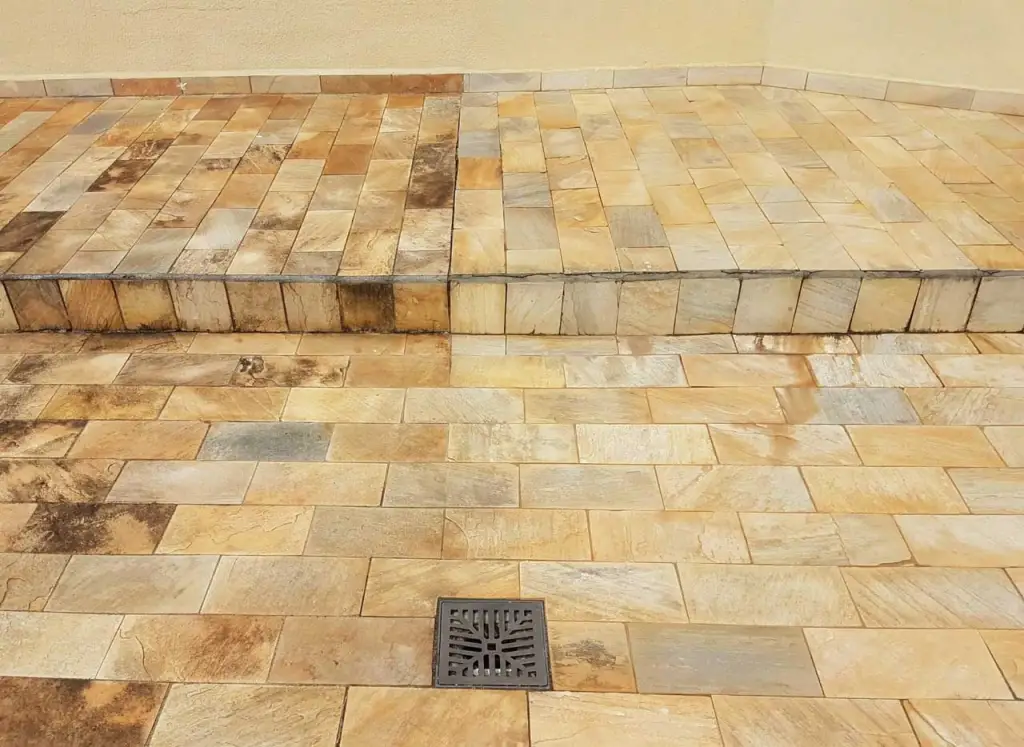
Application procedure: step by step technical guide
The application of a waterproofing system, whether colored or transparent, requires compliance with a precise application cycle. The phases of the waterproofing intervention are:
- Application of the primer: on porous or highly absorbent supports it is necessary to apply a layer of specific primer, compatible with the waterproofing product, to homogenize surface absorption and improve membrane adhesion.
- Double-coat application of the waterproofing product: applied by brush, roller or spray with variable consumption depending on the absorbency of the support.
- Reinforcement of critical areas: in the joints, corners and around the vents, lay a reinforcing fabric embedded in the first fresh coat.
- Possible anti-slip protective finish: on practicable terraces it is possible to apply, while the membrane is still fresh, quartz granules or sand with selected grain size to increase the dynamic friction coefficient.
The waiting times between coats and the complete curing time depend on the environmental conditions of the construction site: temperature, relative humidity and ventilation are the parameters to be monitored to guarantee correct installation of the membrane. Do not apply in the presence of imminent rain, temperatures below 5°C or above 35°C.
Reference legislation and performance requirements
The design and execution of a high-performance waterproofing system for terraces and flat roofs must comply with European and national regulatory standards. The main reference standards include:
- UNI 11928-1: Liquid applied products for waterproofing
- EAD 030350-00-0402: Liquid waterproofing kit for roofs
- UNI EN 1504-2: Products and systems for the protection and repair of concrete structures
- UNI EN 14891: Liquid applied waterproofing products for use under ceramic tiling glued with adhesives
- UNI EN 13501: Fire classification of construction products and elements
- ASTM E1980: Standard Procedure for Calculating the Solar Reflectance Index of Horizontal and Low-Slope Opaque Surfaces
- UNI EN 13583: Determination of resistance to hail
For products intended for professional use in the construction sector, the CE markings and the availability of a Declaration of Performance (DoP) constitute essential elements for the correct qualification of the waterproofing system in the specifications. The technical documentation must report the performance classes obtained in standardized tests, allowing the designer to select the product based on the specific exposure conditions.
Waterproof the terrace with transparent liquid solutions
Eliminating or preventing water infiltrations on the terrace with a transparent waterproofing is today an effective solution that allows you to architecturally preserve the treated surfaces. The transparent liquid membrane allows you to restore waterproofing continuity without sacrificing the aesthetics of the existing floor, with an easy and practical application process.
The correct execution of the intervention depends on three fundamental variables: the quality of the chosen product, the careful preparation of the support and compliance with the application cycle. Neglecting any of these factors can compromise the lifespan of your entire facility protection package.
Icobit offers designers and businesses a complete system of transparent and colored liquid products, supported by detailed technical data sheets and specialized technical assistance. The Icobit range of surface waterproofing products meets the highest European and national regulatory standards and stands out for its ability to integrate with the specific needs of each construction site.
The choice of a certified liquid waterproofing system, combined with a correct diagnosis of the deterioration and a professional execution of the intervention, guarantees performance and verifiable results, in full compliance with the technical regulations of the sector and the client’s expectations.