
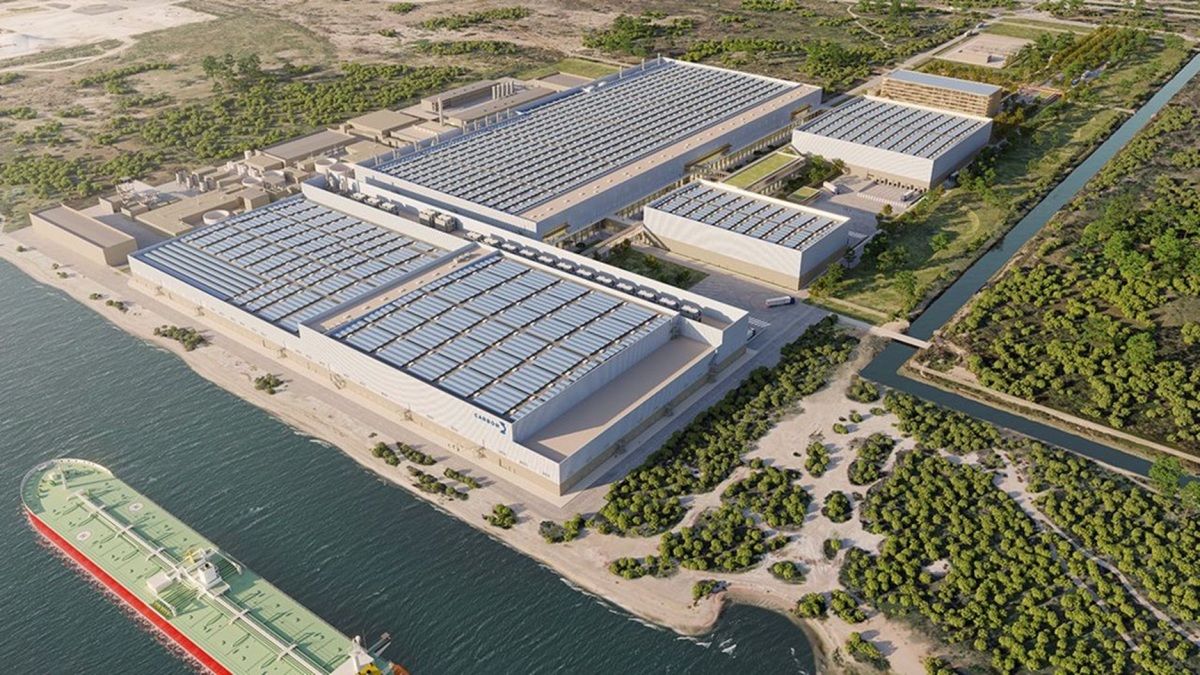
Carbon, in liquidation, announced that it was putting an end to the photovoltaic panel gigafactory project that it was developing in Fos-sur-mer, deploring in particular the lack of visibility on a potential market.

Presented as one of the most ambitious industrial projects in the French photovoltaic sector, Carbon was to embody the relocation of European production of solar panels in the face of Asian domination. Unfortunately, three years after its launch, the gigafactory project planned for Fos-sur-Mer however, collapsed before even seeing the light of day, carried away by the absence of a European framework deemed sufficiently protective and by still overwhelming Chinese competition on the global photovoltaic market.
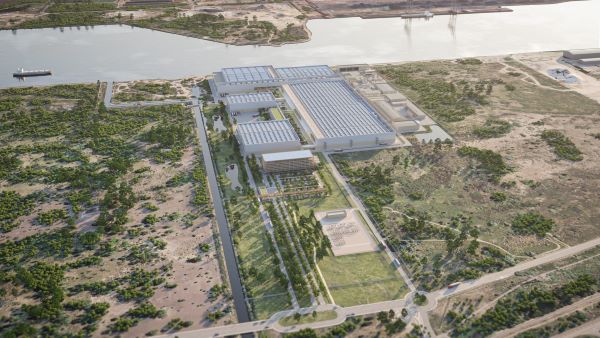
With this mega-factory project, Carbon claimed “the largest European project” for the photovoltaic industry, with “an investment of 1.7 billion euros”. The company planned to create 3,000 direct and sustainable jobs, and at least 9,000 indirect jobs for an annual French production of “10 million photovoltaic panels per year”, in order to reduce the country’s dependence on the Chinese giant’s solar industry. © Steven Dolbeau / Carbon
Brutal stop for Carbon
THE project Carbonwhich aimed to establish Fos-sur-Mer one of the largest photovoltaic plants in Europewill ultimately not see the light of day. According to a court decision dated May 13, the company was placed in compulsory liquidation, putting an end to an industrial program valued at 1.5 billion euros.
Presented as one of the big two French projects for the relocation of the photovoltaic sectoralongside the factory brought to Hambach by HoloSolisTHE project Carbon should allow the large-scale production of strategic components for solar panels — silicon wafers, photovoltaic cells and modules — with an announced capacity of 5 GW and more than 3,000 direct jobs at stake.
Industrial sovereignty still deemed out of reach
In a press release, Carbon regrets the lack of visibility on the emergence of a real European solar energy market. “No visibility exists today on the emergence of such a market“, believes the company, which considers European progress too slow to secure a competitive industrial model in the face of Asian competition.”We will still have to wait at least a year, with no guarantee that the legislation will ultimately allow the establishment of a truly sovereign market.“, adds the company.
Its president, Pierre-Emmanuel Martinpoints in particular to thepersistent opening of the European market to major Asian producing countries : “Europe has decided to leave the door open to all the countries for which it has a free trade agreement, therefore China, India, Vietnam, etc. We, in this context, consider that it is not yet ripe“, he explained to AFP.
Created at Lyon in 2022 before transferring its headquarters to Marseille, Carbon planned to source polysilicon from European producers, even though nearly 80% of this strategic raw material is today produced in China.
An industrial project greeted with skepticism
HAS Fos-sur-Merwhere the project was to be implementedcertain local elected officials had from the start expressed their reservations about the economic viability of the operation. Questioned by the Maritima media, the mayor Philippe Maurizot admitted to having been “doubtful“faced with this industrial ambition.”We aimed to compete with China in an industrial field that it has dominated for more than a decade. The Chinese hold 85% of the global market and own the top 10 panel suppliers“, he recalled.
The abandonment of the project constitutes a major setback for the French and European ambitions for reindustrialization of the photovoltaic sectorin a context where dependence on Asian imports remains largely dominant.