
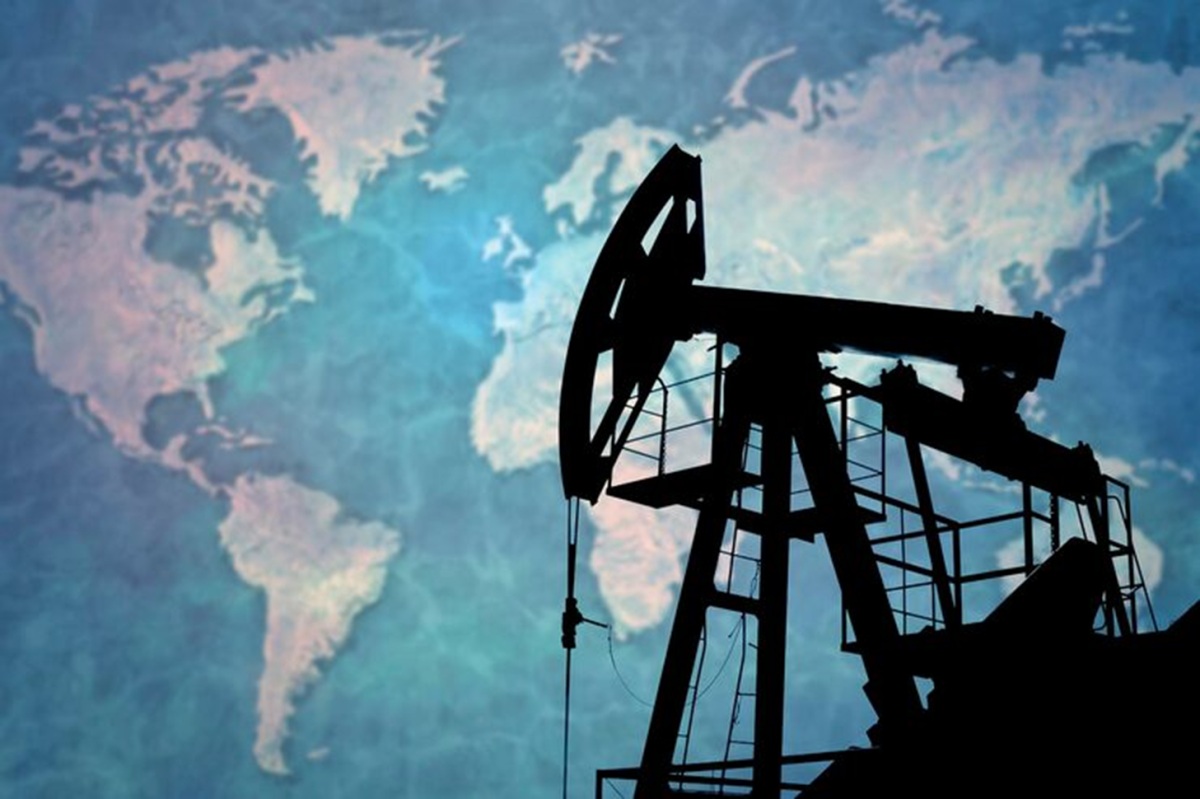
Faced with a crisis of historic proportions, Fatih Birol, director of the IEA, calls for short-term sobriety while anticipating a profound transformation of the global energy system.


The current energy crisis is hitting the world with historic proportions. For Fatih Birol, the head of the International Energy Agency (IEA), “the world has never experienced an energy supply disruption of this magnitude“, he explains in an interview to be published today in the French newspaper Le Figaro. More serious than the crises of 1973, 1979 and 2022 combined, therefore the worst the world has known, she touches oil, gas, fertilizers, petrochemicals and helium.
Seventy-five infrastructures were attacked, more than a third of them seriously, and their rehabilitation “will take a long time“.
In the short term: a “black April” and forced choices
March has already been difficult, but April could be worse. “If the Strait (of Hormuz) remains effectively closed throughout April, we will lose twice as much crude oil and refined products as we did in March“, warns Fatih Birol.
Faced with this situation, countries will have to “use energy as carefully as possible, saving it and improving its efficiency“. The crisis affects all strategic sectors and reveals the vulnerability of the global energy system, beyond oil and gas.
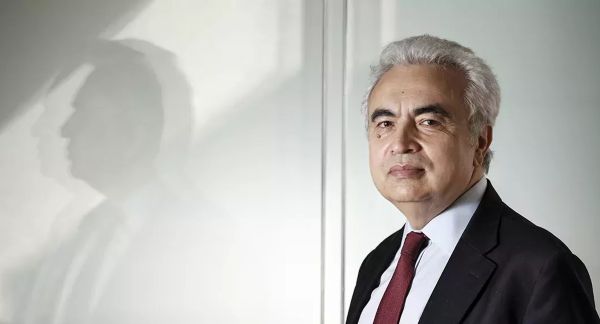
Fatih Birol (born in Ankara in 1946) is a Turkish economist and energy expert who has headed the International Energy Agency (IEA) since September 1, 2015. Previously, he was the chief economist and director of the office responsible for the economic analysis of the IEA’s energy policy in Paris. © agefi.com
In the medium and long term: changes bringing hope
However, despite the immediate seriousness, Fatih Birol sees reasons to be optimistic. “The architecture of the global energy system will change in the coming years“, he specifies. This transformation will be slow and will not resolve the current crisis, but it promises to profoundly redefine the geopolitics of energy. Certain technologies should progress more quickly than others. Renewables – solar and wind –, for example, can be deployed very quickly. “There will be a use of renewables very quickly, over the course of a few months“, he assures.
The crisis could also “reinvigorate momentum for nuclear energy, including small modular reactors“, while some countries will extend the life of their existing power plants. Furthermore, Fatih Birol believes that “electric cars will develop“, contributing to diversify and secure energy supplies.