
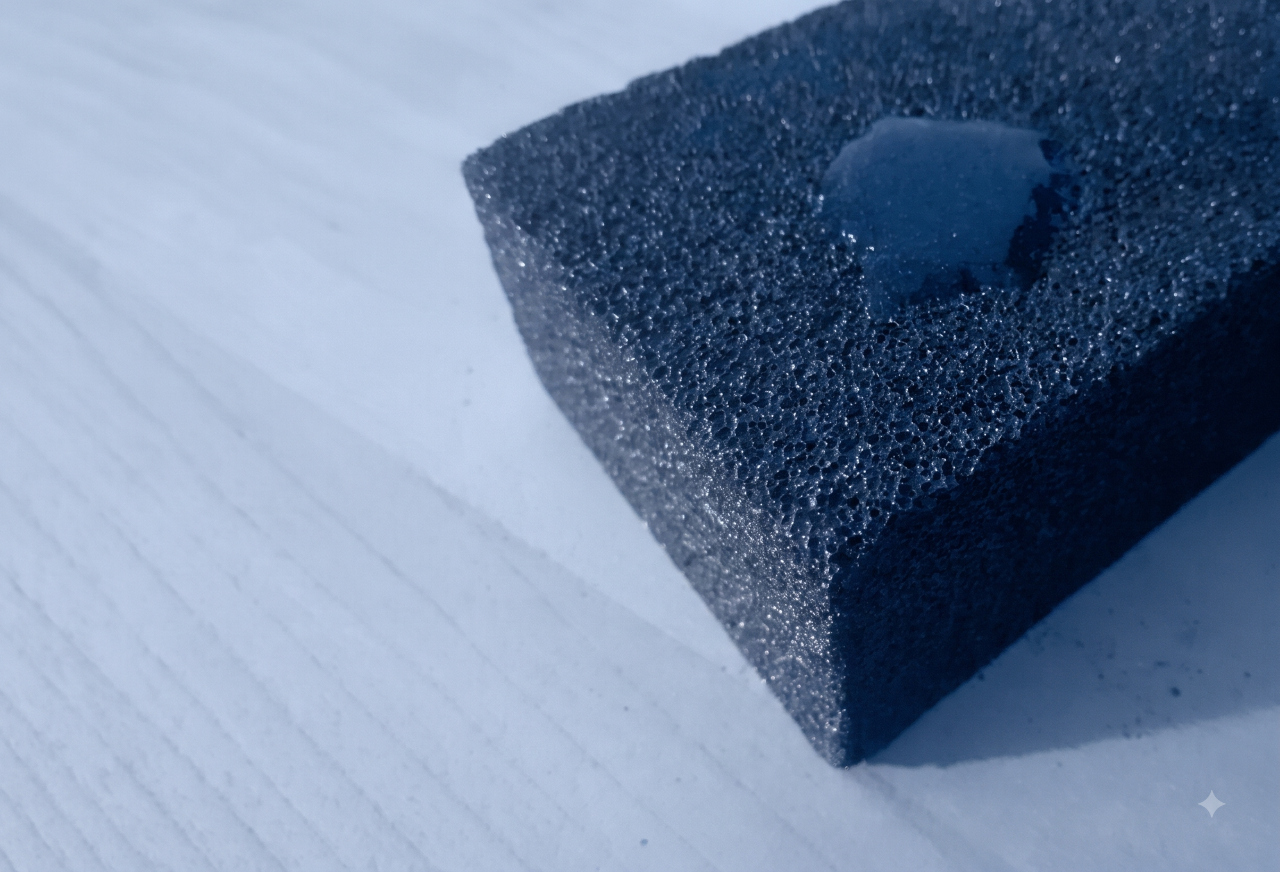
Insulate and waterproof flat roofs
The most striking example is the thermo-hygrometric insulation of the roof, especially in the case of a flat roof. Given its nature as a waterproof insulating material, in synergy with a bituminous waterproofing sheath, better if applied with hot spread bitumen, it replaces the imperfect insulation and waterproofing systems of roofs, especially in flat roof situations, guaranteeing impermeability from rainwater over time, even in the event of a breakage of the applied surface waterproofing layer.
In public works in various foreign countries in Northern Europe, this type of application is very common and has entered the prescriptive tender specifications as an indispensable solution to guarantee thermal insulation, together with waterproofing and durability of the system. Thanks to the extreme workability of the compact glass foam, even complex cuts can be made of the sheets, as well as perfect core drilling to insert, for example, rainwater drains, guaranteeing the continuity of the insulation system, thanks to the sealing in the holes carried out by spreading the bitumen.
The installation of the slabs and the waterproofing sheath
The synergistic application of the waterproofing sheath on the slabs, with the method of bitumen produced in the boiler and spread hot, creates a perfect synergy between the two components, resulting in a compact element resistant to time. In fact, if damage occurs accidental or due to meteoric causes, such as violent and impactful hailstorms – increasingly frequent due to climate change – and in which damage occurs to the surface bituminous layer, drilling the sheath does not cause any risk of water entering, blocked by the underlying waterproof and insulating cellular glass sheets.
Once the slabs have been laid, with the joints sealed and glued to the floor, the first layer of the waterproof covering is spread by unrolling it directly on the surface of the exposed slabs, after applying the hot bitumen. The second layer will then be flamed directly onto the first, once the liquid bitumen has cooled.
Considering that the roofs must be insulated not only on the plane, but also on the lateral flaps and on the surface of the chimneys and any raised volumes, to interrupt or limit the thermal bridge, the laying of the sheets will take place with gluing using the appropriate adhesive, composed of cold stabilized bitumen and Portland cement, which is extremely tough and resistant to time.
Pre-assembled panels and custom-made slopes
There is also a type of pre-assembled panel on the market, of larger dimensions, covered with a glass veil on one side and with a thermo-meltable surface membrane, adherent to a film of pure bitumen. This product, currently the only one of its kind, allows the direct adhesion of a bituminous sheath that can be flamed on the exposed bituminous layer, the one covered by the hot-melt sheet, which will melt under the action of the heat of the torch, making the sheath adhere directly to the insulation without the need for further gluing.
The versatility offered by this particular material, through the creation of preformed panels with integrated slope, also allows slope layers to be created on perfectly flat surfaces, facilitating the disposal of rainwater. In this specific case, the preformed panels, with an integrated slope of 1 to 5%, are supplied with a customized process for the specific context, based on the project. It will therefore be necessary to provide the manufacturer with the exact survey of the roofing, with the positioning of the drains and slopes to produce the roofing composed of individual numbered slabs
The limit to consider: summer isolation
The only element that can be considered negative about cellular glass, compared to the many technical advantages already listed, is the poor summer insulating power, mainly due to a limited mass and a low specific heat (900 j/kgK), two important elements to be considered for the calculation of the phase shift time of the solar thermal wave in the summer period, i.e. the time it takes for the summer heat incident on the external surface to penetrate into the internal rooms.
In this case it is necessary to create stratigraphy where there are substantial masses aggregated to the cellular glass to counteract the action of the summer heat.
>> If you want to receive news like this directly on your smartphone, subscribe to our new Telegram channel!