
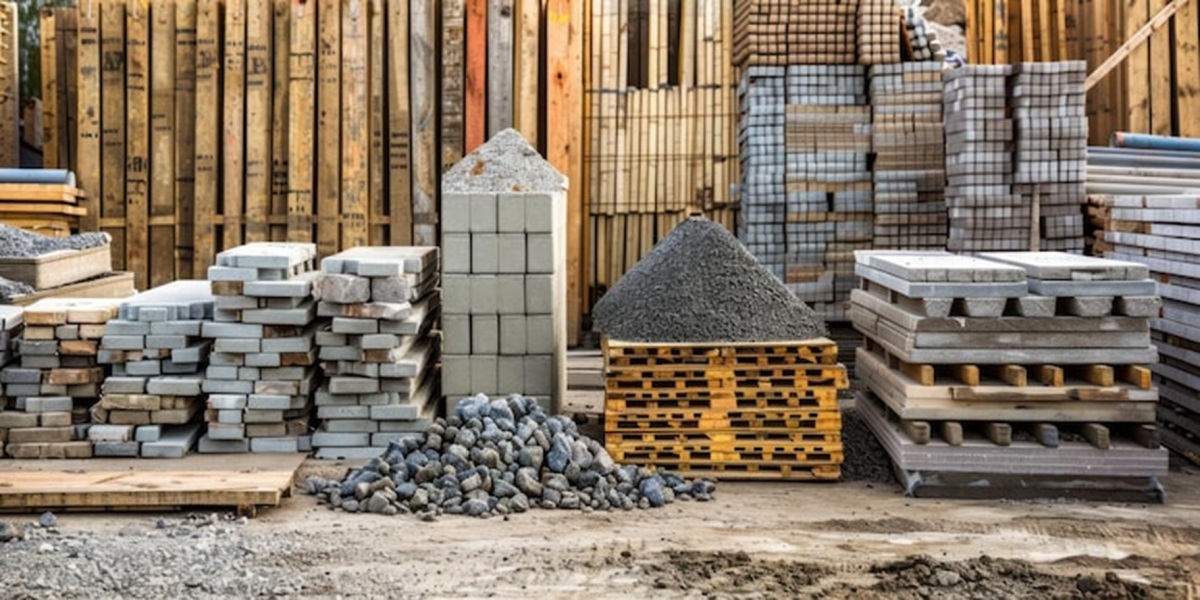
The Senate called on the Competition Authority to look into the French construction materials market, due to “recent increases” in prices weighing on the “relaunch” of the construction sector.
Publi-Information 


Accused of opacity and subject to strong tariff turbulence, the construction materials sector is now in the Senate’s sights. Indeed, parliamentarians call for clear intervention from the Competition Authority to understand, supervise and, if necessary, correct the dysfunctions of a market deemed strategic.
A request for an investigation to lift the veil on market mechanisms
The Senate committee raises its tone. She “asks the Authority to analyze the competitive functioning of upstream markets, particularly the most concentrated, as well as the relationships between players in the value chain, and to formulate, where appropriate, recommendations“.
At the origin of this initiative, the senator of Morbihan Yves Bleunven explains wanting “objectify the functioning of markets and, in this case, find solutions to a housing crisis which is hitting our fellow citizens hard in their life journeys“.
The senators don’t stop there. They also want the Authority to rule on the creation of a material production cost tracking tool. A glaring lack today, when no specific indicator has replaced the project abandoned by the government in 2023. Result: a sector exposed, without visibility, to price volatility.
A sector weakened by cascading increases
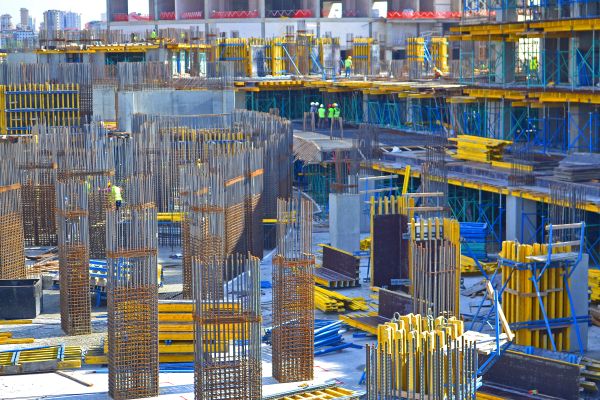
Since the end of the health crisis, players in the sector have faced a succession of price increases which have weighed heavily on their ability to restart construction. The recent increases are just the latest shock to an already entrenched inflationary cycle. © Magnific
At the end of March, the concrete manufacturers sounded the alarm. The cause: geopolitical tensions in the Middle East, which are fueling the surge in energy costs and threatening to make it even more expensive. construction price. Several federations then called on public authorities to be vigilant.
The Federation of Concrete Prefabrication Manufacturers cites an “inevitable” increase in costs, with direct repercussions on the final price of works and an increased risk of project postponement in an already uncertain climate.
Professionals on alert in the face of inflation deemed unjustified
On the ground, anger is brewing. The FFB deplores a paradoxical situation: companies receive notifications of price increases even though the sector is experiencing neither shortage nor tension comparable to that of 2022-2023. The organization advocates for creation of a public observatory of materials pricescapable of providing transparency and readability. The figures speak for themselves: certain waterproofing membranes have seen their prices jump up to 35%, while plastic products – PVC and insulation – have seen increases of around 20%.
Same observation on the side of CAPEB. According to the craftsmen’s union, 65% of professionals surveyed have received announcements of increases from their suppliers. The increases generally range between + 2.5% and + 20%, and now affect materials that are not very dependent on oil, such as wood.
Beyond sectoral tensions, it is the entire housing chain which finds itself under pressure. Unpredictable costs, compressed margins, delayed projects: the consequences accumulate and slow down the construction dynamics.
By requesting the Competition Authority, the Senate is sending a strong signal. That of a desire to regain control of a key sector, whose imbalances could permanently hamper housing policies.