
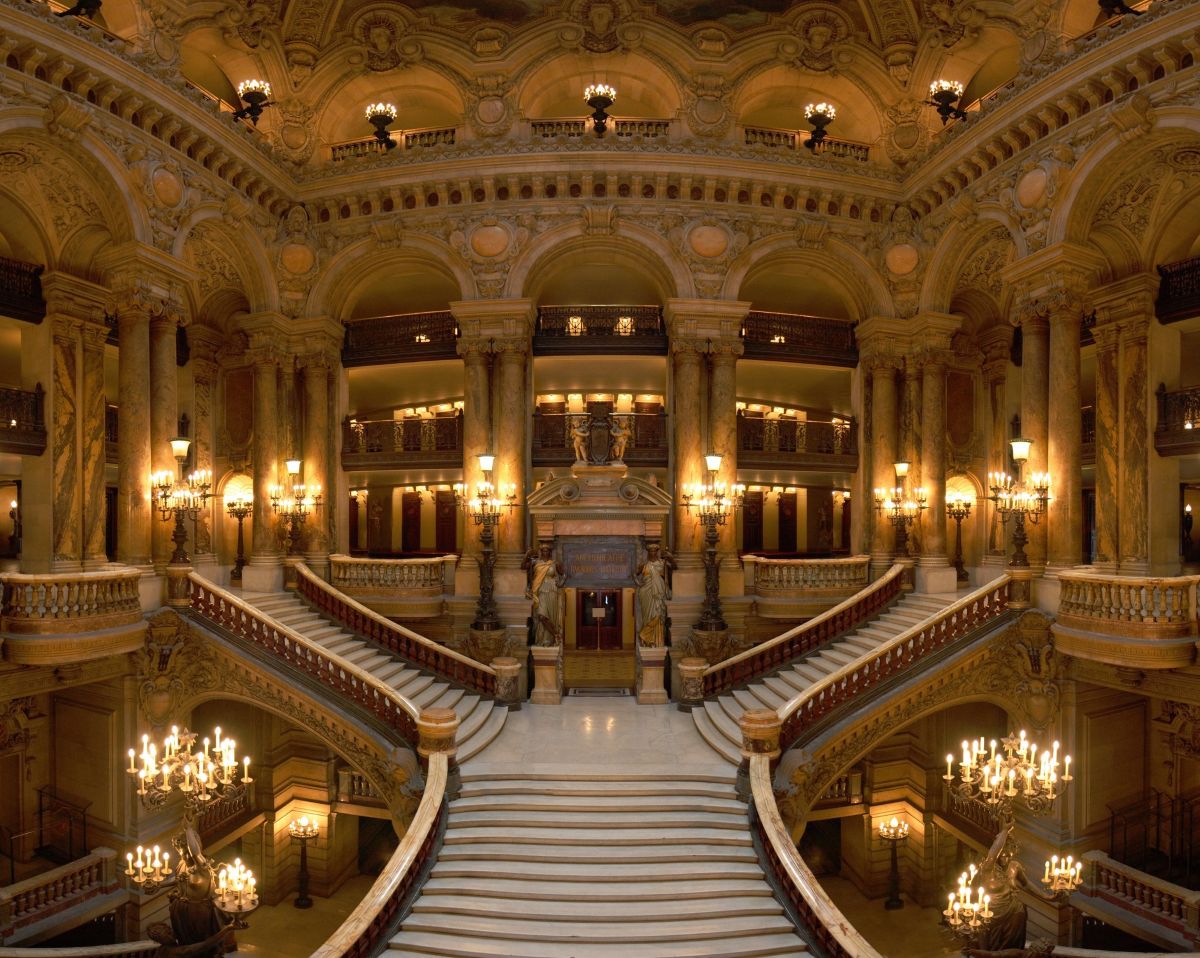
The program to modernize the stages of the Palais Garnier and the Opéra Bastille, in Paris, is experiencing a new delay. The complexity of removing lead from the stage cage of the Palais Garnier prolongs the project.

The calendar of modernization of stage equipment at the Palais Garnierowned by the Paris National Opera, has been thoroughly revised. Initially announced in October 2024 with closure of the site planned between summer 2027 and summer 2029, the project will ultimately extend from 2027 to 2032.
The main cause is due to an important technical constraint: the complete removal of lead present in the stage cageboth under and above the board. A major intervention, which greatly complicates the removal and processing phases in a constrained environment, in a heritage building in partial operation.
Direct impacts on the scheduling of works at Bastille
This slip of schedule at the Palais Garnier leads to a domino effect on the institution’s second Parisian site. In fact, the renovation work on the stage equipment of the Opéra Bastilleinitially envisaged from 2030, are now postponed to 2033, for an estimated duration of two years.
Management confirmed having presented this new phasing to the teams of the two establishments, integrating the technical and organizational constraints linked to the sequence of the two projects. The continuity of activity system between the two major Parisian stages is maintained: when one of the sites is closed for work, the other will continue to provide lyrical and choreographic programming.
In addition, the institution plans to mobilize other Parisian theaters to absorb part of the programming: Théâtre des Champs-Élysées, Théâtre du Châtelet, Théâtre de Chaillot and Théâtre de la Ville.
A lead project that challenges technical constraints
Beyond the simple calendar shift, the main difficulty lies in the management of lead present in the stage cage of the Palais Garnier. The removal operations, which constitute the first phase of the construction site, generate significant nuisances – noise, vibrations, confinement constraints – likely to call into question the partial operation of the building. According to management, these conditions could lead to temporary total unavailability of the Palais Garnier for a period of up to two years.
This point was not included in the initial 2024 scenario, which provided for the maintenance of heritage visits during the work.
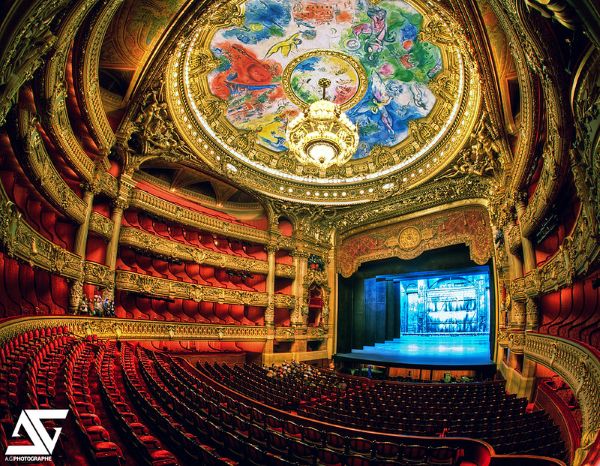
The choice of intervention methods such as treatment devices concerning the lead present in the stage cage will be decided after a series of tests and technical assessments carried out during the summer. © AG Photography
A budget still subject to change
The overall cost of the program has not been re-evaluated at this stage. Last September, the cost of the work was estimated at 450.8 million euros over six years, with State participation of 25%. This budget covers both the modernization of the Palais Garnier, the renovation of the Opéra Bastille, but also secondary interventions at the Nanterre Dance School and the Ateliers Berthier.
The postponement of the site also implies an adaptation of the team support system. Management indicates that it wants to adjust the plan initially planned for employees affected by the closure of the Garnier plateaudepending on the real impacts which will be confirmed after the test campaigns. The measures will then have to be discussed with the trade union organizations. The objective remains the preservation of technical skills and jobs over the duration of the project, with a view to reopening the theater.