
The tower is one of those artefacts which, despite being small and apparently marginal, often end up at the center of condominium disputes. At first glance it seems just an accessory volume, almost a simple appendix to the pavement; in reality, from a legal point of view, it is an autonomous building body, equipped with its own function and its own discipline.
This artefact therefore does not constitute a technical volume (not computable in the volume of the building if intended for the installation and access to technological systems necessary for housing needs), but rather the container of a stairwell aimed at allowing access from an apartment to a usable terrace.
The story: the problem of private air conditioners on the stair tower
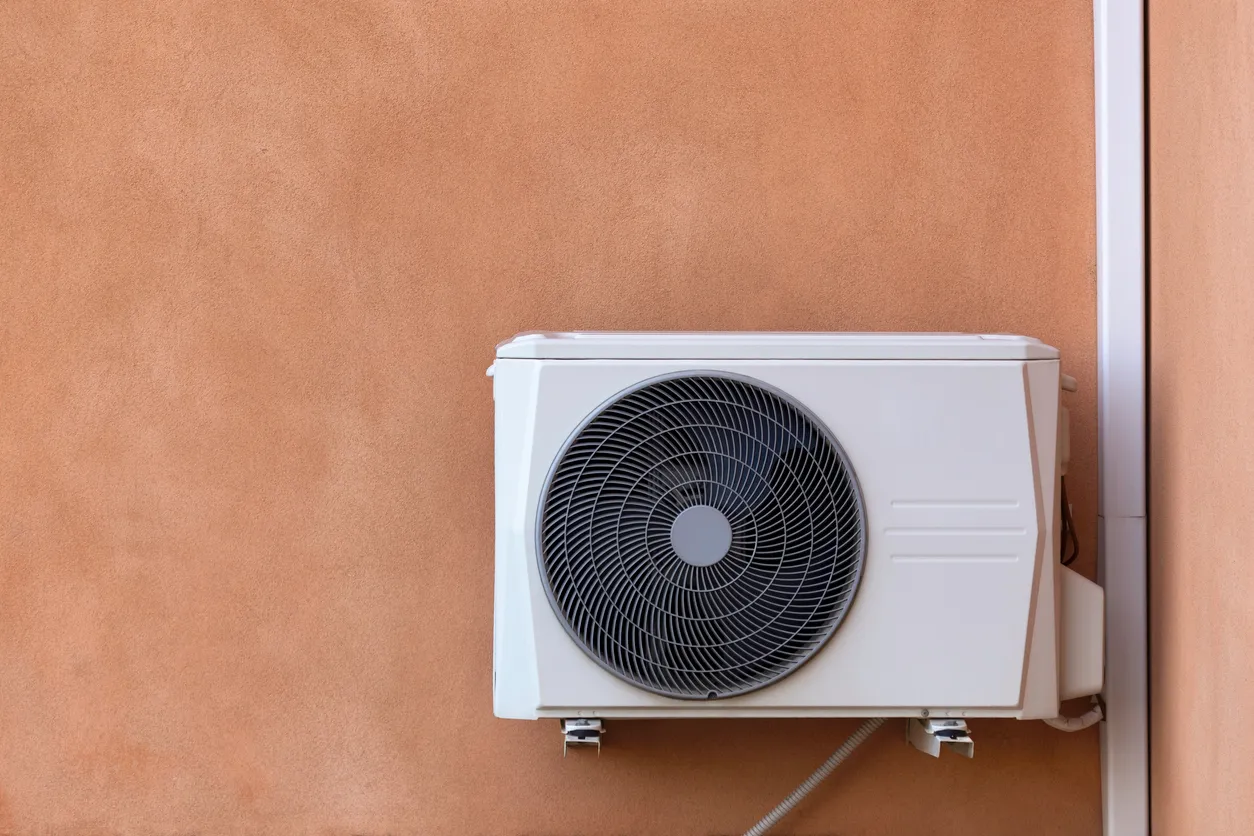
The dispute took shape when the owners of the first floor claimed that the company that owned the commercial space on the ground floor had altered the exercise of the easement of passage on the common area and, above all, had placed the external air conditioning units on the stair tower above their apartment. The plaintiffs complained that the door of the commercial space had been modified, that a gas box had been created with a door that opened towards the open space and that an air intake invaded the common area, aggravating the easement. At the same time, they reported that the external air conditioning units had been installed on the tower without any title.
The defendant company denied any wrongdoing: it claimed that the door had not been enlarged, that the gas box was inside its property and that the air intake insisted on a pre-existing opening. As for the air conditioners, he stated that the pavement was condominium and that the plaintiffs only had a right of use, so the installation would have been legitimate pursuant to art. 1102 cc
During the trial, the defendant carried out various corrective interventions: it closed the air intake, replaced the door with a frame that opened inwards, made the gas box inaccessible from the outside. These interventions reduced the conflict, leaving the presence of the air conditioners on the stair tower as the only issue.
The technical advice clarified the structure of the building and the relationships between the properties. From the titles it emerged that the entrance hall and the stairwell belonged exclusively to the two apartments on the first floor, and that the use of the paving stones above was reserved for the same units. The tower, as a natural continuation of the stairwell, was therefore functionally linked to an unusual part of the building.
The decision: when Article 1102 of the Civil Code is not applicable
The art. 1102 cc allows each condominium owner to use the common property even in a more incisive way, as long as two fundamental limits are respected.
The first limit is the destination of the property: the condominium owner cannot transform the function of the common part. The second limit is the so-called equal use. Equal use must be understood as maintaining the balance between condominiums: each must be able to use the common property potentially, according to their own rights, without the use of one impeding that of the others.
From here comes a very practical principle: a condominium owner can also derive an exclusive benefit from the common good, as long as he does not deprive others of the possibility of using it. In other words, the art. 1102 cc does not prohibit personal or particular use of the common good: it only prohibits abuse that alters the destination or prevents others from exercising their right.
In the case examined, the Court reconstructed the titles and ascertained that there was a clear and unambiguous title contrary to the presumption of community: the original deed of 1982 had reserved the entrance hall-stairwell to the owners of the first floor, and the stair tower, in terms of structure and function, followed the same regime. For this reason, the judge excluded that the tower was a common part and deemed the art. inapplicable. 1102 cc
The Sicilian judge stated that «the affixing of the external air conditioning unit on the stair tower… must therefore be considered illegitimate», because the defendant company did not boast any real or personal right that allowed it to use that artefact. The Court therefore accepted the plaintiffs’ request and ordered the defendant to remove the external air conditioner units. For the other works (door, gas box, air intake), the Court declared the matter of dispute to be over, since the defendant had already restored the condition of the places. The costs were borne by the company, as the losing party.