
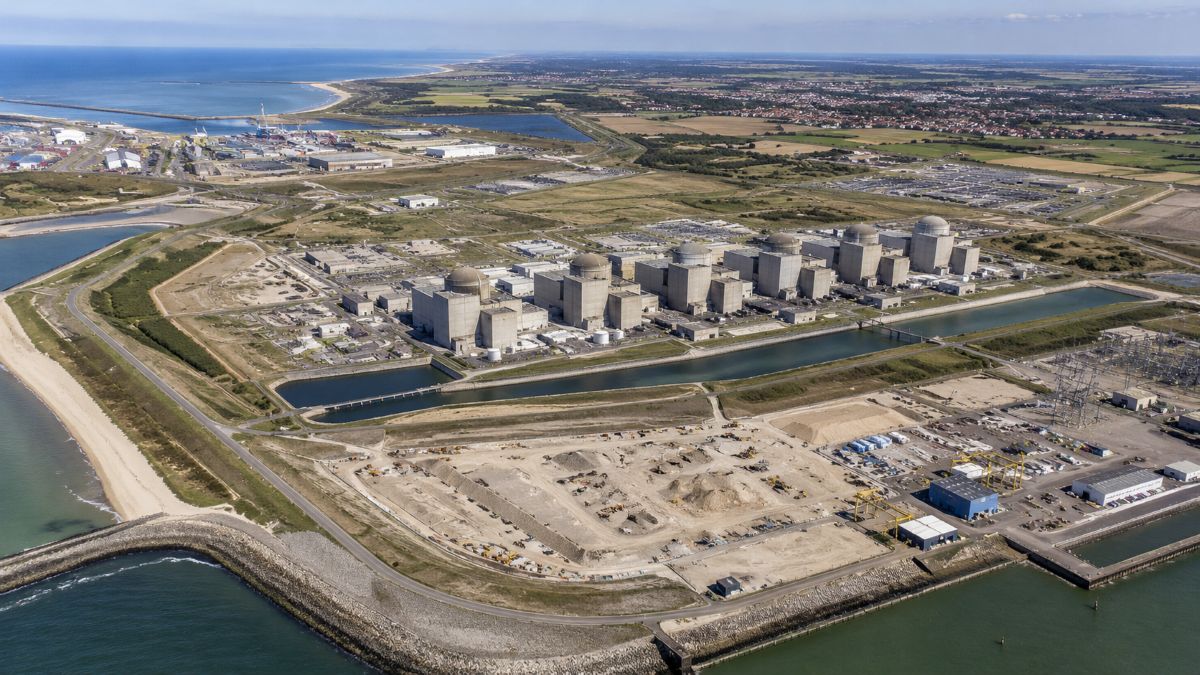
Earthworks, soil reinforcement and first civil engineering works can now begin, without the construction of the reactors having yet been authorized.


A new stage has just been reached for the French nuclear recovery program. A decree published in the Official Journal gives EDF the necessary environmental authorization in order toinitiate preparatory work for the two future EPR2 reactors planned for the Gravelines sitein the North.
This decision allows the energy company to begin transforming the site to accommodate one of the largest industrial projects to come in France. However, it is not worth authorization to build the two reactors.
Earthworks, soil reinforcement and initial civil engineering works
The authorized operations concern a series of work intended to prepare the establishment of future production units. EDF may in particular:
– initiate the viability of the platforms;
– Create site installations;
– And, finally, relocate the railway terminal of the Gravelines Nuclear Electricity Production Center.
The program also includesmajor earthworks and land preparation. A watertight enclosure must in particular be created under the influence of the future buildings of the factory block, accompanied by soil reinforcement operations and the first civil engineering works. The decree also authorizes the creation of the feed channel necessary for the project. “This decree allows EDF to gradually initiate the first operations intended to prepare the site for the future construction site.“, the group told AFP.
THE work will mainly concern the municipalities of Gravelines and Loon-Plage. Parking away from the site is also planned in the towns of Craywick and Bourbourg.
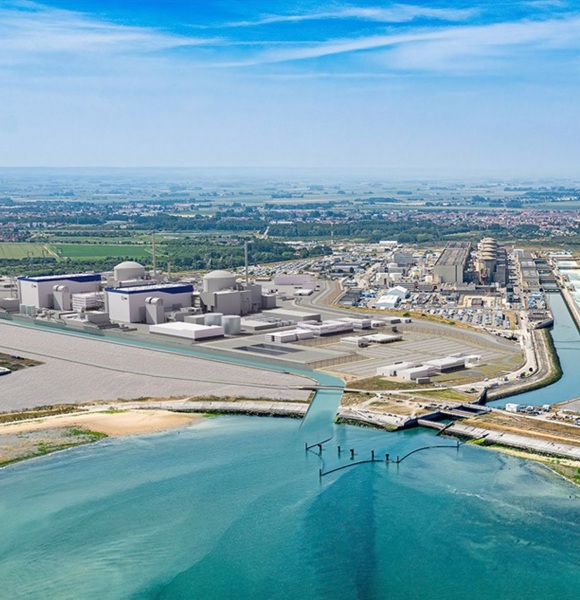
Aerial view of the Gravelines nuclear site, where EDF plans to build two EPR2 reactors. The preparatory work must in particular make it possible to develop and strengthen the land intended to accommodate the future construction site. © EDF
What the green light allows… and what it doesn’t yet allow
No green light yet to build the reactors
The authorization issued by the government constitutes an important step forward, but it does not yet allow the construction of the two EPR2s to be launched, with EDF specifying that the decree “does not constitute authorization for the creation of the two EPR2 reactors“. It also does not allow one to initiate the construction of buildings intended to accommodate nuclear materials or equipment necessary for nuclear safety. The nuance is important: the site can therefore begin to prepare the ground, but the nuclear works themselves remain subject to a separate authorization.
A construction site under environmental surveillance
The environmental authorization also governs the conditions under which this work must be carried out. The text provides in particular requirements concerning water management, the protection of species and natural habitats, as well as the control of nuisances linked to the construction site. Relocation operations for protected fauna and flora are planned, at periods deemed favorable. A new public information center is also to be created.
EDF also indicates that environmental monitoring will be carried out throughout the duration of the work, under the control of the competent State services.
Two 1,600 MW EPR2s on an already nuclear site
The project provides for the construction of two EPR2 reactors of 1,600 MW eachnear the existing Gravelines power plantwhich already has six 900 MW reactors. The issue goes far beyond just nuclear site because the Dunkirk territory concentrates numerous industrial activities that consume a lot of energy and are engaged in decarbonization trajectories. THE two future reactors must therefore contribute to strengthening low-carbon electricity production capacities in a region expected to see its industrial needs increase.
The project is part of the program announced by Emmanuel Macron in February 2022, which provides for the construction of six new EPR2 reactorswith an option for eight additional units. The first three pairs must be implanted at Penly, in Seine-Maritime, in Gravelines and Bugey, in Ain. There first pair, planned for Penlyaims to be put into service by 2038. For theentire program of the six EPR2the final investment decision must be made by the end of 2026.