
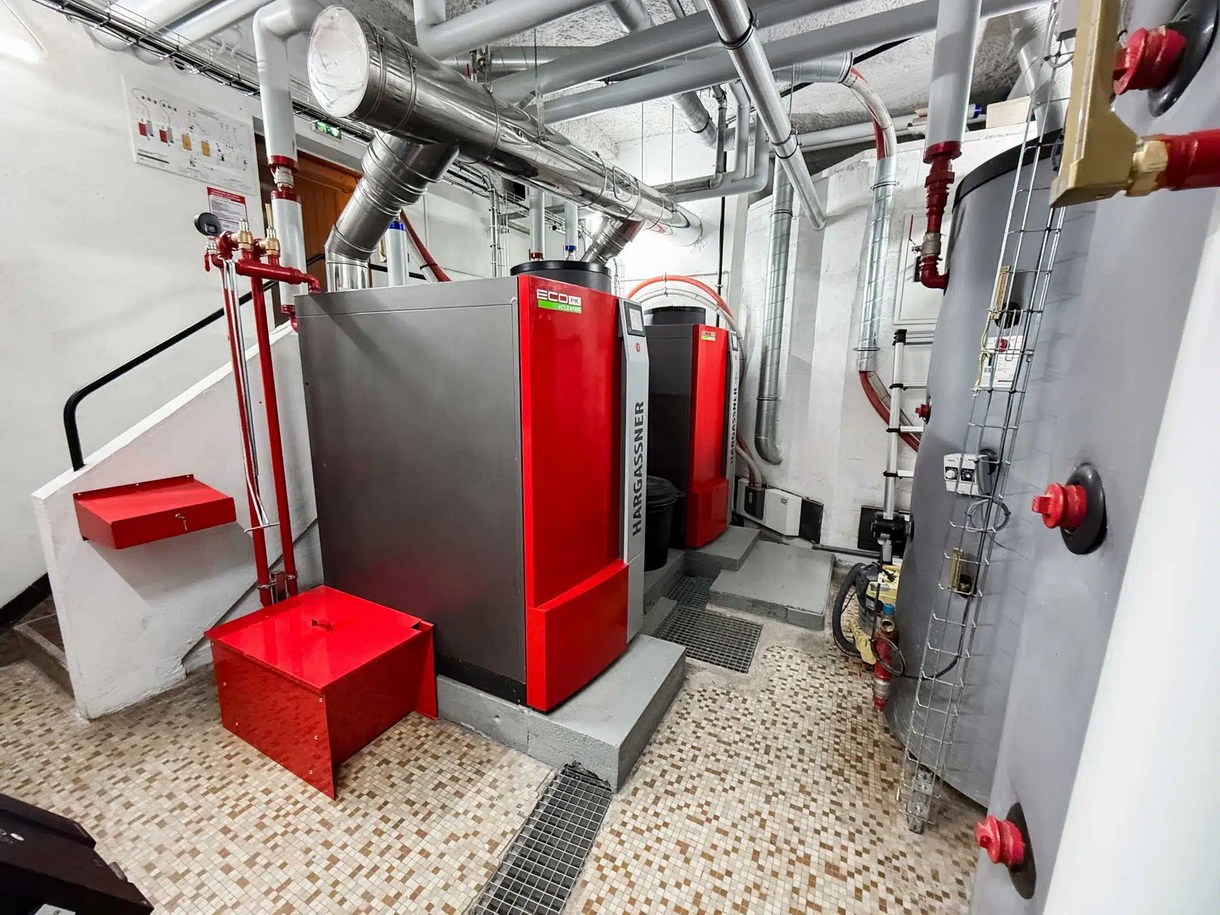
Two new texts tighten the rules on heating equipment: the EECs will be able to finance the replacement of certain fossil generators already supported; gas will gradually be moved away from new.

Two texts accelerate anti-fossil fuel measures. Firstly, the very short decree of September 4, 2026 relating to the possibility of replacing equipment running on fuel already recovered within the framework of the energy savings certificate system allows CEE to be used again to finance a change of generator to an electrical solutioneven if these generators had benefited from CEE.
Secondly, Decree No. 2026-863 of September 12, 2026 relating to environmental performance requirements concerning theinstallation of heating, cooling or domestic hot water production equipment in a buildingwhich only has three pages, excludes gas generators from new construction.
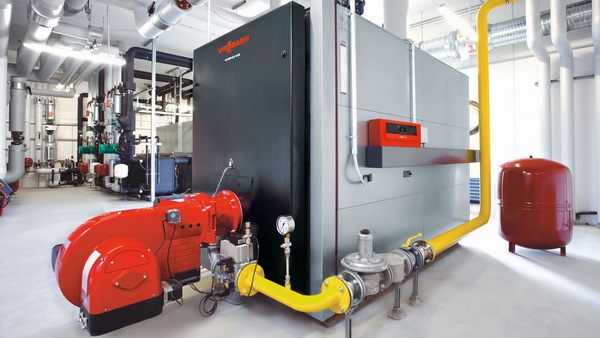
The aim of the decree of September 4 is to facilitate the replacement of generators using fossil fuels, which had already benefited from CEE before January 1, 2021. © Viessmann
Using EWCs to Facilitate the Replacement of Fossil Fuel Generators
Normally, when a installation benefited from the financial contribution of CEEshe can’t touch CEE again within the duration indicated by each form, most often between 16 and 23 years. But the decree of September 4, 2026, published in the Official Journal on September 6, authorizes the replacement of numerous equipment running on fossil fuelalready valued in the framework of energy savings certificates (CEE) no longer taking into account the duration indicated in the sheets. It specifically concerns 16 standardized operation sheets:
– BAR-TH-06, implementation of a individual condensation type boiler in an existing residential building;
– BAR-TH-07, installation of a collective condensation type boiler in an existing residential building;
– BAR-TH-07-SE, installation of a collective condensation type boiler with contract ensuring the maintenance of the energy efficiency of the boiler;
– BAR-TH-08, installation of an individual low temperature boiler in an existing residential building;
– BAR-TH-09, installation of a low temperature collective boiler in an existing residential building;
– BARTH-09-SE, installation of a low temperature collective boiler with contract ensuring the maintenance of the energy efficiency of the boiler;
– BAR-TH-51, installation of a collective absorption heat pump of air/water or water/water type ;
– BAT-TH-01, replaced by BAR-TH-101, installation of a collective air/water or water/water absorption heat pump;
– BAR-TH-106, installation of an individual solar water heater (CESI) with forced circulation, including glazed solar thermal collectors, a solar hot water tank and a backup, the whole making it possible to cover the entire domestic hot water requirement of the home;
– BAR-TH-107, installation of a high energy performance collective boiler;
– BAR-TH-107-SE, installation of a high energy performance collective boiler accompanied by a contract ensuring the management of the installation;
– BAT-TH-02, installation of a condensation type boiler for a fuel-fired central heating system, in existing tertiary sector premises reserved for professional use, with a total heated surface area of less than 5,000 m2 ;
– BAT-TH-01-GT, installation of low temperature type boiler in a large building, existing tertiary sector premises reserved for professional use, with a total heated surface area of between 5,000 m2 and 10,000 m2 ;
– BAT-TH-02-GT, implementation of a condensing type boiler for a fuel-fired central heating systemin existing tertiary sector premises reserved for professional use, with a total heated surface area of between 5,000 m2 and 10,000 m2 ;
– BAT-TH-49, installation of a type roof heating unit rooftop high energy efficiency powered by a gas burner;
– BAT-TH-102, installation of high energy performance collective boilers, within existing tertiary sector premises.
According to the decree, all operations corresponding to the 16 standardized forms above and initiated before January 1, 2021, can once again benefit from EEC to replace generators operating with a fossil fuel (gas, fuel oil, coal). Like the sheets – BAR-TH-106, BAR-TH-107, BAR-TH-107-SE, BAR-TH-150, BAR-TH-167 – relating to theinstallation of “fossil” heating systems have been deleted from the residential catalog and the sheets relating to the installation of “fossil” heating systems – BAT-TH-102, BAT-TH-140 and BAT-TH-141 – have been deleted from the tertiary catalog, only CEE to install individual and collective heat pumps and solar thermal solutionsreplacing these generators using fossil fuels. The Coénove association, which brings together the major players in energy efficiency in buildings – industrialists, energy specialists and professionals – is against these new provisions.
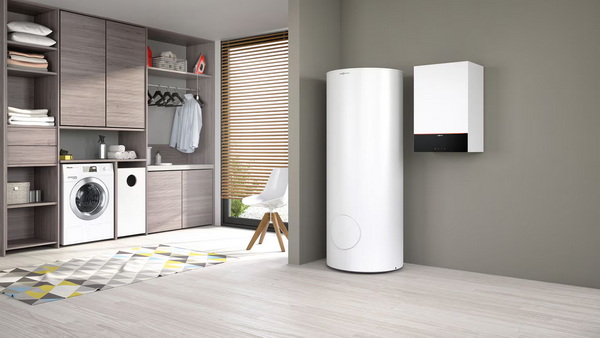
It will no longer be possible to install natural gas, propane or butane boilers in new construction from January 1, 2027. © Viessmann
Eliminate fossil fuels in new construction
For its part, Decree No. 2026-863 of September 12, 2026 comes into force from January 1, 2026, with progressive application, from 2027 for housing, in 2028 for buildings under the project management of a public body, in 2030 for other buildings, and defines the environmental performance requirements concerning the installation of heating, cooling or hot water production equipment sanitary facilities in a building.
It modifies article 171-13 of the Construction and Housing Code and indicates two things. First, in its first article, it specifies “to be able to be installed in an existing building, heating or domestic hot water production equipment complies with the following minimum environmental performance result: the transformation coefficient of each type of energy used by the equipment is less than 300 gCO2eq / kWh PCI. This provision does not apply to equipment used for emergency purposes.“. It comes into application for work undertaken after January 1, 2027.
Second, its article 2 states “to be able to be installed in a new building, heating, cooling or domestic hot water production equipment complies with the following minimum environmental performance result: the transformation coefficient of each type of energy used by the equipment, etc., is less than 79 grams of CO equivalent2 per kilowatt hour of final energy in PCI. This provision does not apply to equipment connected to a heating or cold network and to equipment used as backup.“.
Natural gas has a transformation coefficient between 193 and 227 gCO2/kWh PCI, 730 for fuel oil, 820 g for coal, 230 to 270 g for propane, 233 to 272 g for butane, but also 230 g for biomass. In short, if the level remains fixed at 300 g for existing buildings, we can still install natural gas, propane, butane or biomass generators to replace equipment already installed. On the other hand, in new construction, only electricity (around 12 g for electricity of nuclear origin, 7 to 15 g for wind power, a little less than 25 g for hydroelectricity), photovoltaic solar (20 to 50 g) and thermal solar (8 g for collectors, up to 60 g with heat storage in a tank, the greater the storage volume, the lower its carbon load) are below the ceiling of 79 gCO2/kWh and are now suitable.
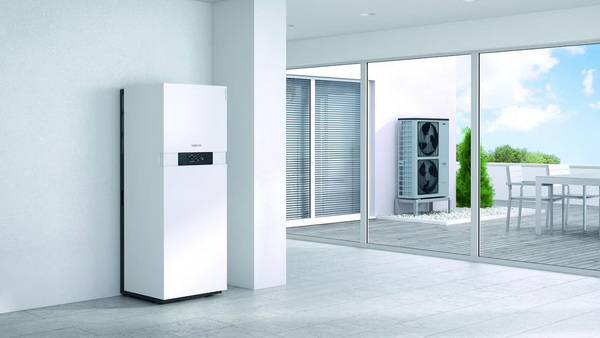
Even hybrid solutions are prohibited in new construction, then one of the energies used exceeds the ceiling of 79 grams CO equivalent2 per kilowatt hour of final energy in PCI. © Viessmann
Of course, the Coénove association does not approve either. But we can’t help but think of the manufacturers of gas boilers – Atlantic, Frisquet, the Bosch group with the Bosch and Elm Leblanc brands, Saunier-Duval, Viessmann, etc. – who own factories in France and see themselves excluded from part of the market. There had been warning signs, including the removal of aid for the installation of efficient boilers. But this time, mass is said.
© Viessmann