
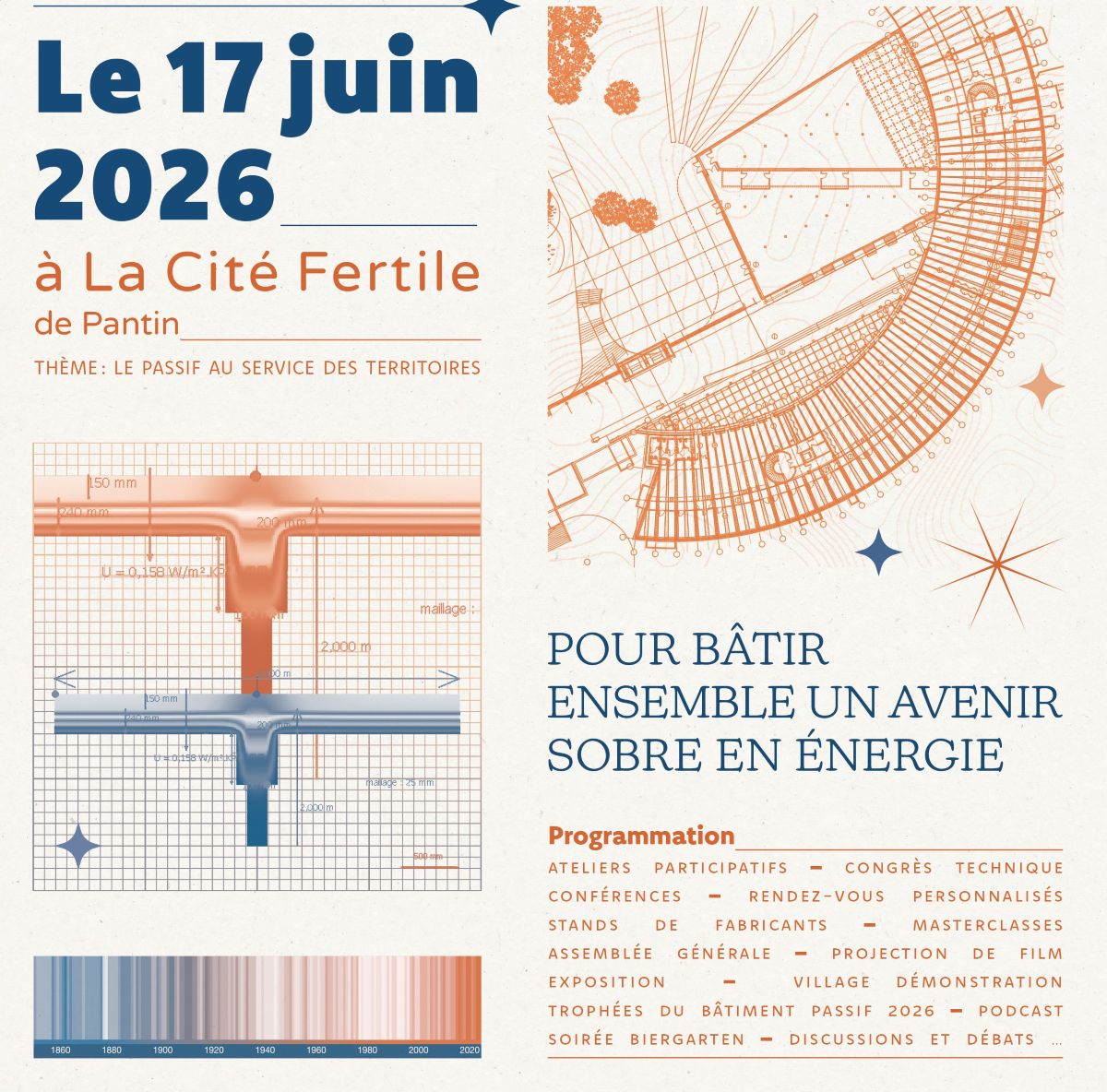
Passibat’ changes format and becomes a festival dedicated to bioclimatic buildings and energy sobriety. In Pantin, professionals, communities and experts will meet to discuss.

Faced with the climate emergency and the need to drastically reduce the energy consumption of buildingsPassibat’ changes dimension. THE historic meeting of passive construction evolves in 2026 towards a real festival open to all stakeholders in the ecological transition.
Organized by La Maison du Passifthe event will be held on June 17 at La Cité Fertile, in Pantin, with the ambition of becoming a major crossroads for exchanges between professionals, communities, experts and engaged citizens. Its theme will be “Liabilities serving the territories”, highlighting the benefits for the community, such as quality of life, ecological transition and resilience in the face of increasing temperatures in summer.
THE Passibat’ Festival intends once again to demonstrate that the passive standard constitutes one of the most ambitious responses to current challenges.
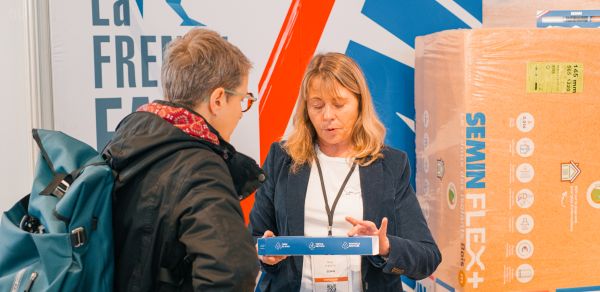
The 2025 edition of Passibat’ was held on March 18 and 19 at the Pavillon Baltard, in Nogent-sur-Marne, around the theme “Energy performance and frugality”. Organized by La Maison du Passif, the event brought together more than 1,300 visitors according to the official report, with a show bringing together the main players in passive construction and a congress devoted to the challenges of energy sobriety. The edition also hosted conferences, participatory workshops and the presentation of the Passive Building Trophies 2025. © TLAgency / © Passibat’
The passive building, a concrete response to the energy challenges of tomorrow
Born in Germany more than thirty years ago, the passive building concept is based on proven physical principles – with one objective, that of reduce the energy needs of buildings while guaranteeing a high level of comfort for occupants:
– reinforced and continuous thermal insulation;
– Removal of thermal bridges;
– Excellent airtightness;
– High performance joinery;
– Exterior solar protection and heat recovery ventilation.
This approach today goes further than the requirements imposed by current environmental regulationsincluding RE2020. Its effectiveness is such that the passive standard has become mandatory since 2015 for new constructions in the Brussels-Capital Region. For organizers, this design method now represents an essential lever for build territories that are more resilient, more sober and better prepared for future climate challenges.
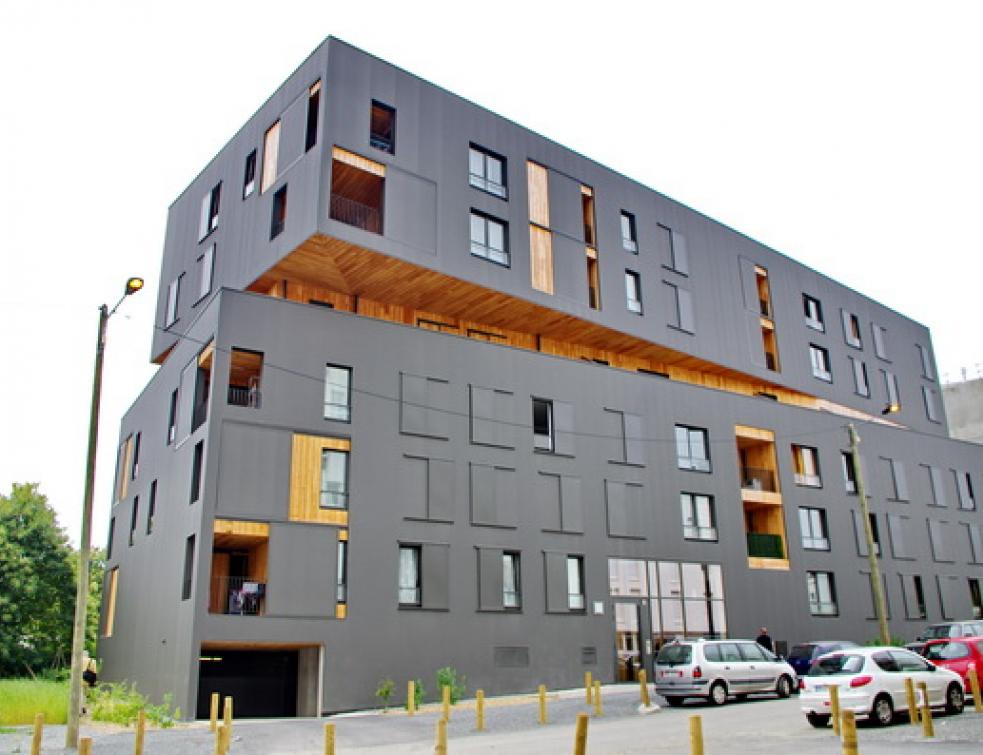
The “Mouvement Perpétuel”, a brand new building of 40 housing units in Rennes, was certified Passive in 2017. At the time, it was the largest ever certified Passivhaus in the West of France. © PP
A new festival to bring together experts, communities and citizens
With this 2026 edition, Passibat’ abandons the classic trade show format to adopt a more open, interactive and unifying formula. The event aims to create bridges between the technical issues of passive buildings, local public policies and economic realities faced by actors in the field. Throughout the day, conferences, workshops, demonstrations and discussion spaces will allow participants to discover concrete solutions for accelerate the energy transition of territories.
Building professionals, local elected officials, town planners, design offices, architects, manufacturers, associations and citizens will be able to compare their experiences and share their good practices in a framework conducive to innovation and cooperation, the intention being to bring together technical know-how and territorial vision in order to support the emergence of sustainable, efficient projects adapted to local realities.
Congresses, immersive workshops and demonstrations: a particularly rich program
THE traditional Passibat’ Congress will bring together, as every year, French and international specialists around technical conferences, round tables and feedback. Several interventions will be devoted to the central theme of this edition: the role of passive building in the transformation of territories.
At the same time, a conference studio open to all will host discussions accessible to a wider audience, while participatory workshops will make it possible to concretely address the challenges of energy renovation and sustainable construction.
Among the announced meetings are notably the Renovation Fresco, the Construction Fresco as well as the Urban Transition Workshop. A demonstration village will also offer the opportunity to discover innovative techniques and biosourced materials such as straw or raw earth in real conditions.
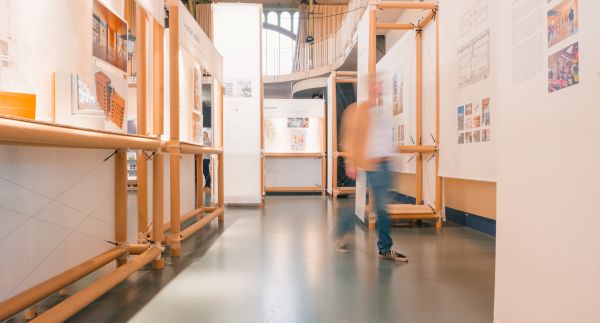
The festival will also host several original formats, such as the public recording of the podcast “La Case Robinson”, a screening-debate or even a masterclass organized by La Maison du Passif. Here, the 2025 edition of Passibat’. © TLAgency
Passive Building Trophies in the spotlight
Highlight of each edition, the Passive Building Trophies will once again reward the the most exemplary achievements in construction and passive renovation. Awarded by a jury made up of architects, engineers, public decision-makers and specialist journalists, these prizes recognize each year the most innovative and energy-efficient projects.
Beyond the recognition granted to the winners, these distinctions contribute to the dissemination of best practices and contribute to the emergence of new reference models for the entire sector.
Beyond the technical content, the Festival Passibat’ wishes to encourage meetings and exchanges between actors who do not always meet in traditional circuits. Spaces of networkingtimes for collective reflection as well asgeneral meeting of La Maison du Passif will also punctuate the day. This will end in a more festive atmosphere with the Beergarten evening and a cultural interlude.
Through this new formula, the organizers hope make Passibat’ much more than just a professional event : a place of convergence capable of inspiring, uniting and concretely accelerating the energy transition of territories.