
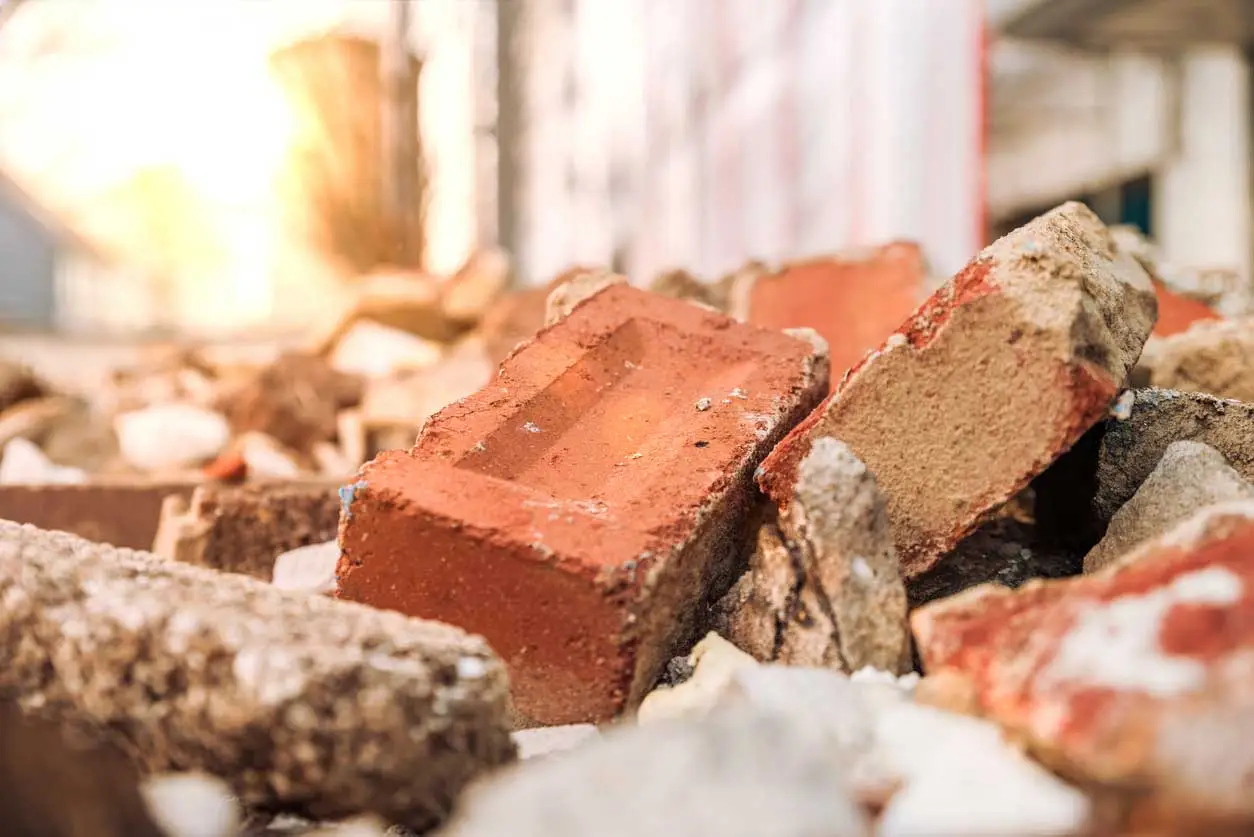
Abandonment of construction waste in condominiums: who is responsible
The environmental legislation is clear: construction and demolition waste must be managed by the contractor, with traceability and regular disposal. The condominium cannot be transformed into a construction site warehouse, nor can it tolerate illicit behavior from the contractor.
As stated by the Court of Cassation, the contractor, due to the nature of the contractual relationship that binds him to the completion of a work or the provision of a service, with the organization of the necessary means and management of the entire activity at his own risk, generally holds the role of producer of the waste and is burdened by the obligations of correct disposal (Cass. Civ., section III, 19/09/2022, n. 34397).
The company that abandons waste in the common areas may be subject to financial penalties and, in the most serious cases, to criminal liability for illicit waste management, especially if it is special or dangerous waste.
On the contrary, the works manager is not responsible for the management of waste produced by the construction site. Its function is technical and concerns the correct execution of the work, not the handling, detention or disposal of waste materials.
This does not mean, however, that the construction manager is always uninvolved in violations. The Criminal Court of Cassation has clarified that its responsibility arises when it actively participates in the illicit management of waste, for example by accepting its use in construction, contributing to its detention or inserting practices into the enforcement process that constitute illicit disposal. In these cases, the DL is not liable for failure to supervise, but for his own conduct, because his intervention becomes an integral part of the prohibited activity (Penal Cassation, section III, 09/10/2025, n. 37511).
The condominium’s reaction: recommended solution
When the contractor abandons waste in the common areas, the condominium is not forced to wait the long time for an ordinary judgment: it can react immediately by requesting an emergency measure pursuant to art. 700 cpc This is a particularly effective tool on condominium construction sites, where the accumulation of waste materials can block the use of common spaces, create dangers and compromise the continuation of the works.
However, for the judge to be able to intervene as a precautionary measure, the two classic conditions must exist: prima facie case And periculum in default. The first requires a summary assessment of the validity of the right asserted; the second requires verifying the existence of a current and concrete danger, such as to make ordinary protection insufficient. If even one of these requirements is missing, the emergency measure cannot be granted.
In condominium practice, the smoke it is often easily demonstrable: if the company has been regularly paid, if the contract has been terminated for non-compliance or if the condominium has repeatedly ordered the eviction without receiving a response, the violation of the law appears evident. Also the periculum does not present particular difficulties: the art. 700 cpc can also be used for patrimonial rights which, however, fulfill a non-patrimonial function, such as the free enjoyment of common areas or the protection of the safety of residents. In the presence of abandoned waste, the danger is almost always concrete: potentially toxic or flammable materials, risk of tripping or falling, obstacle to passage, possibility of damage to surfaces or systems.
Added to this is a further aspect that is often overlooked: the condominium may urgently need to regain full availability of the construction site to complete the works, preventing the abandonment of the material from causing deterioration, infiltration or damage to the works already carried out. Jurisprudence has recognized that this requirement fully integrates the periculumbecause the time required to obtain an ordinary sentence would expose the condominium to irreversible prejudice (Florence Court 11 March 2025).
In all these situations, the request for an emergency measure ordering the company to immediately remove the waste and restore the condition of the place is not only legitimate, but often essential to protect the safety, functionality and decorum of the condominium.
Thank you for subscribing to the newsletter.
