
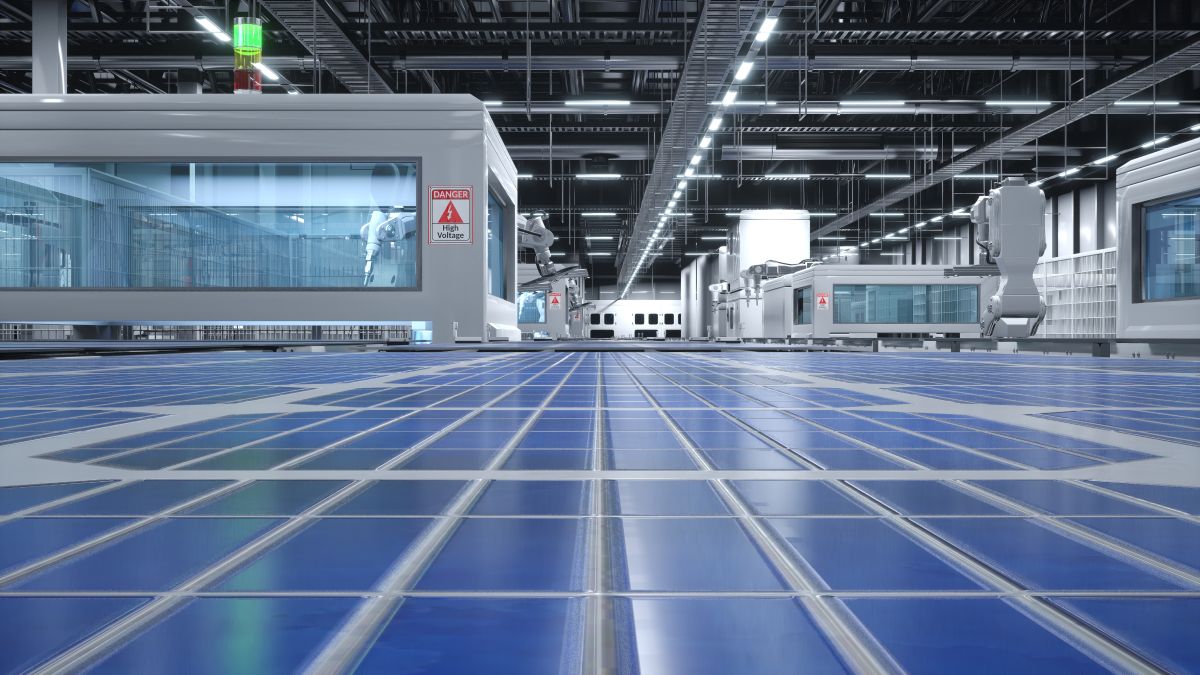
The OECD estimates that Chinese companies in key sectors such as steel or solar panels have benefited from between three and eight times more public aid than their international competitors.

As trade tensions intensify between major economic powers, a OECD study highlights the growing role of public aid in global industrial competitiveness. According to the international organization, the massive support granted by States, and more particularly by China, largely contributes to the upheavals observed over the past two decades in several strategic sectors.
Subsidies that have become a major lever of competitiveness
L’OECD estimates that public aid granted to fifteen major industrial sectors has reached an unprecedented level since the financial crisis of 2008. In 2024, they represented on average 1.3% of the turnover of the companies concerned on a global scale. This evaluation, which the organization itself describes as “cautious“, is based on the analysis of the main companies operating in sectors as varied as automobiles, steel, semiconductors, aeronautics, shipbuilding, photovoltaic panels or even telecommunications equipment.
To establish its calculations, the OECD takes into account a wide range of public measures: direct subsidies, tax advantages, but also subsidized loans granted by public financial institutions. In total, this support represented nearly $108 billion in 2024, according to data compiled in the MAGIC database (Manufacturing Groups and Industrial Corporations), developed by the organization.
China, a major beneficiary of state support
The study particularly highlights the weight of public aid in China’s industrial rise. According to OECD analyses, nearly 60% of global market share gains made by Chinese companies in the sectors studied can be attributed to financial support received from public authorities.
This observation puts into perspective the spectacular progress recorded by certain Chinese groups in strategic sectors such as solar panels, steelmaking and shipbuilding. For the organization, this rise in power is not only explained by the industrial or technological performance of the companies concerned, but also by the extent of support granted by the State. This massive support policy has enabled Chinese manufacturers to considerably strengthen their presence on international markets in the space of twenty years.
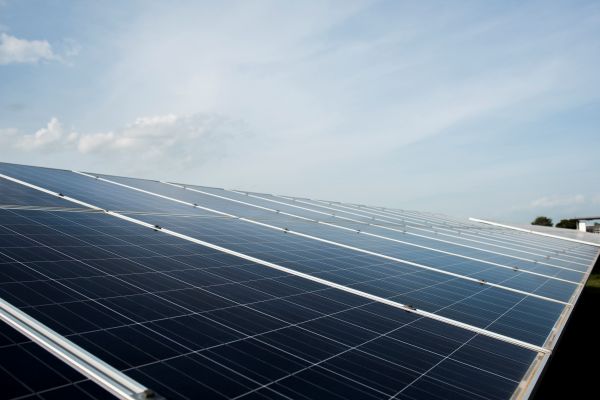
In the space of two decades, Chinese solar panel manufacturers have established themselves as key players in the global market: a domination which is not only explained by the economies of scale, industrial capacities or technological advances made by these companies, but also by the importance of public support from which they have benefited. © Magnific
A trend that now seems structural
If the level of public aid observed today is reminiscent of that reached during the global financial crisis of 2008-2009, the OECD highlights a major difference: the economic context. The peak recorded in 2009 was part of a period of strong international recession and responded to exceptional measures to support the economy. Conversely, the increase observed in 2023 and 2024 occurs in a very different economic environment.
For the organization, this development reflects a more profound transformation of industrial policies. Public aid is no longer just a temporary measure intended to cushion a crisis, but is now part of long-term strategies aimed at:
– strengthen economic sovereignty;
– Secure supply chains;
– And support the energy transition.
A dynamic which now concerns all major industrial powers and which could continue to lastingly reshape global competition in the years to come.